
“When your gut tells you that something is wrong, or that something doesn’t feel right, speak up. Seek help. Be your own advocate.”
At 32, I’m a hard-working entrepreneur and a managing director of a successful holiday light company, where I focus on building the brand and providing holiday magic to the area. I’m also an advocate for my own health, which is how I was diagnosed with stage 2 lymphoma.
Searching for a Diagnosis
Before my diagnosis, I was determined to achieve the American dream. I wanted it all: successful business, family, house—all the things we grew up fantasizing about. But I wasn’t taking care of myself health-wise. Although I was an athlete when I was younger, I had settled into a half-life where I was completely career focused, and things like diet and exercise weren’t prioritized. I also had a lot of stress in my life, as well as unresolved past traumas. Poor habits like drinking and not sleeping compounded the effects and, I believe, slowly led to my disease.
Then, in June 2022, I had abdominal pain I’d never felt before. It came and went, so at first I just monitored it. But when it didn’t go away, I went to the hospital and waited 8 hours for a CAT scan. The scan came back unremarkable, however, my symptoms continued to progress. I knew something was wrong, but I figured I’d just have to deal with it.
A year later, I was in London when I woke up with ringing in my ears. I tried eardrops, but when that didn’t help, I flew back to the U.S. and saw a doctor. She brushed off my concerns, saying there was nothing in my ear—not even wax. I was stumped. She told me to see my primary physician, but there wasn’t an opening for nearly 6 months.
I continued working as I waited. Then, in July, my nose started running. Mucus built up in my sinuses, throat, and chest. I thought I had the flu, but I was also suffering from severe night sweats. After a week of this, I woke up and discovered a walnut-sized mass on my tonsil.
Immediately, I went to urgent care where they swabbed it for strep and COVID. The results were normal—I wasn’t getting any answers. I called my primary physician again, but they apologized and said I’d still have to wait until January.
I knew something was wrong. I started calling ENT networks throughout the state and scheduled the first available appointment, even though it was 2 hours away. I needed answers. Unfortunately, I had to wait longer.
One of my first questions to the specialist was whether the mass could be cancer. I had been researching online, but the doctor quickly dismissed my suggestion. He told he’d never seen tonsil cancer present that way, and that I was too young. He said it was tonsil stones and sent me on my way—telling me I’d be back to normal in 6 months.
At first, I was relieved, but eating and drinking became difficult. I tried everything, including saltwater gargles. The condition affected my ability to chew and swallow. I returned to the doctor, who said my case wasn’t that bad. But I had a gut feeling that he was wrong.
I’ve always been my own advocate, so I continued researching. I called a second ENT in Bethesda who specialized in cancer. He also recommended saltwater gargles.
I returned home and doubled my efforts to figure out if I really had a tonsil stone. After everything I learned, I was convinced that I was being misdiagnosed. In August, I saw a third ENT. He listened and prescribed prednisone and an antibiotic—but this was ultimately a bad decision.
Three days later, I had an ulcerated tonsil. I sent over a picture to the doctor, who said he’d schedule surgery in January. I felt neglected. I demanded better care, and after several calls, I was scheduled for surgery in October.
Diagnosis: Stage 2 Lymphoma
On October 4, I had a tonsillectomy. One week later, pathology confirmed stage 2 bulky B-cell lymphoma.
After my diagnosis, I slowed down. I still worked but had to trust others and the idea that things would work out—which they did. Slowing down was a big part of helping me heal. I started yoga and meditational therapies. I’d go for walks with my dog and sit in the park. It was very peaceful, and it was a good time for self-reflection, thinking about life, and grounding myself.
Coping with my diagnosis was difficult and traumatizing. I debated whether to move back to New York or stay in Maryland. I decided to stay in Maryland without family or friends nearby, which was hard but made me independent. I had to care of myself while managing this disease.
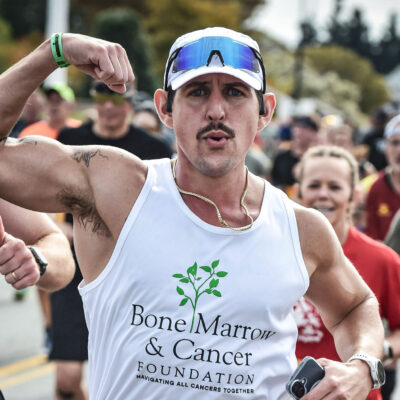
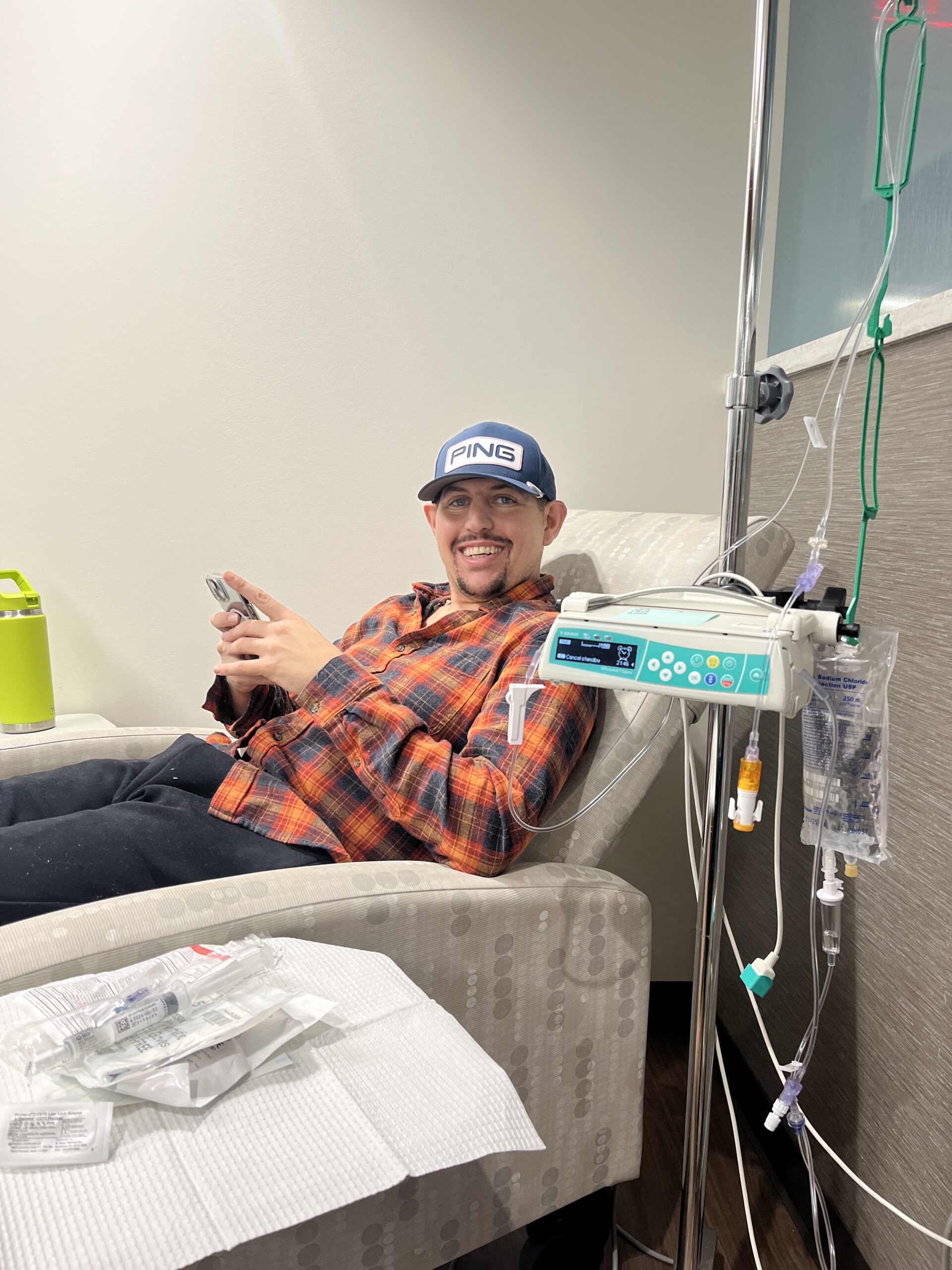
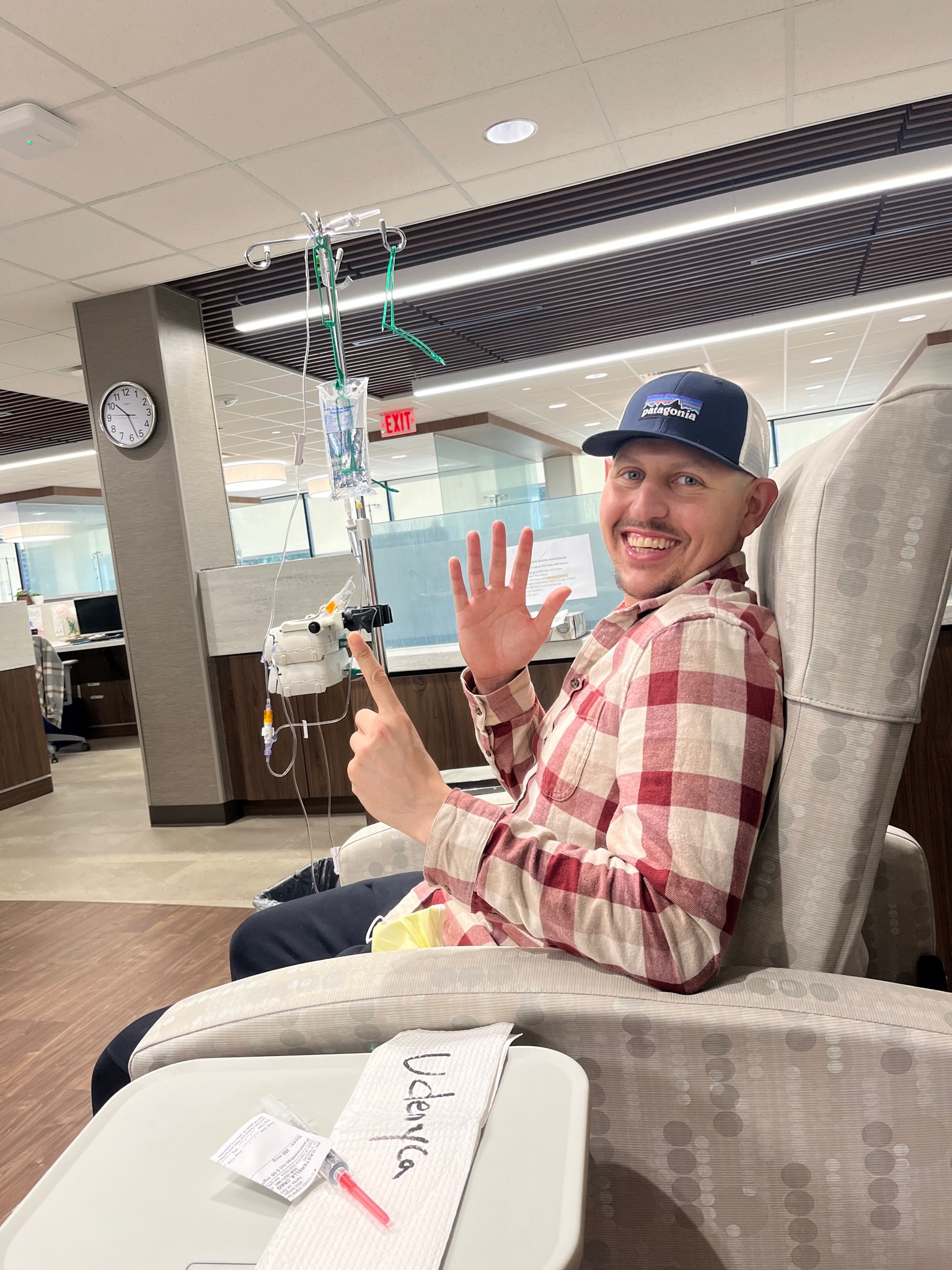
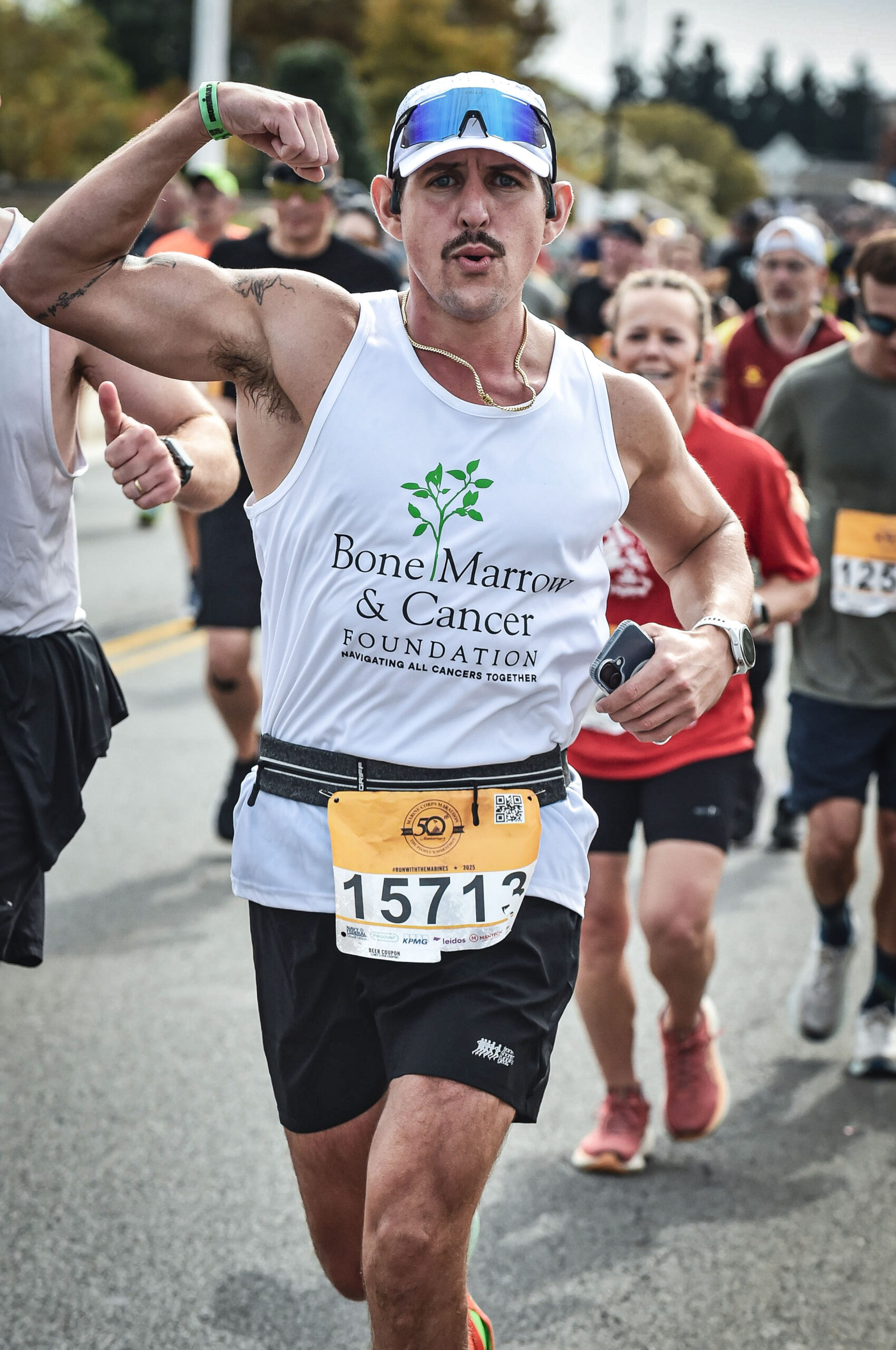
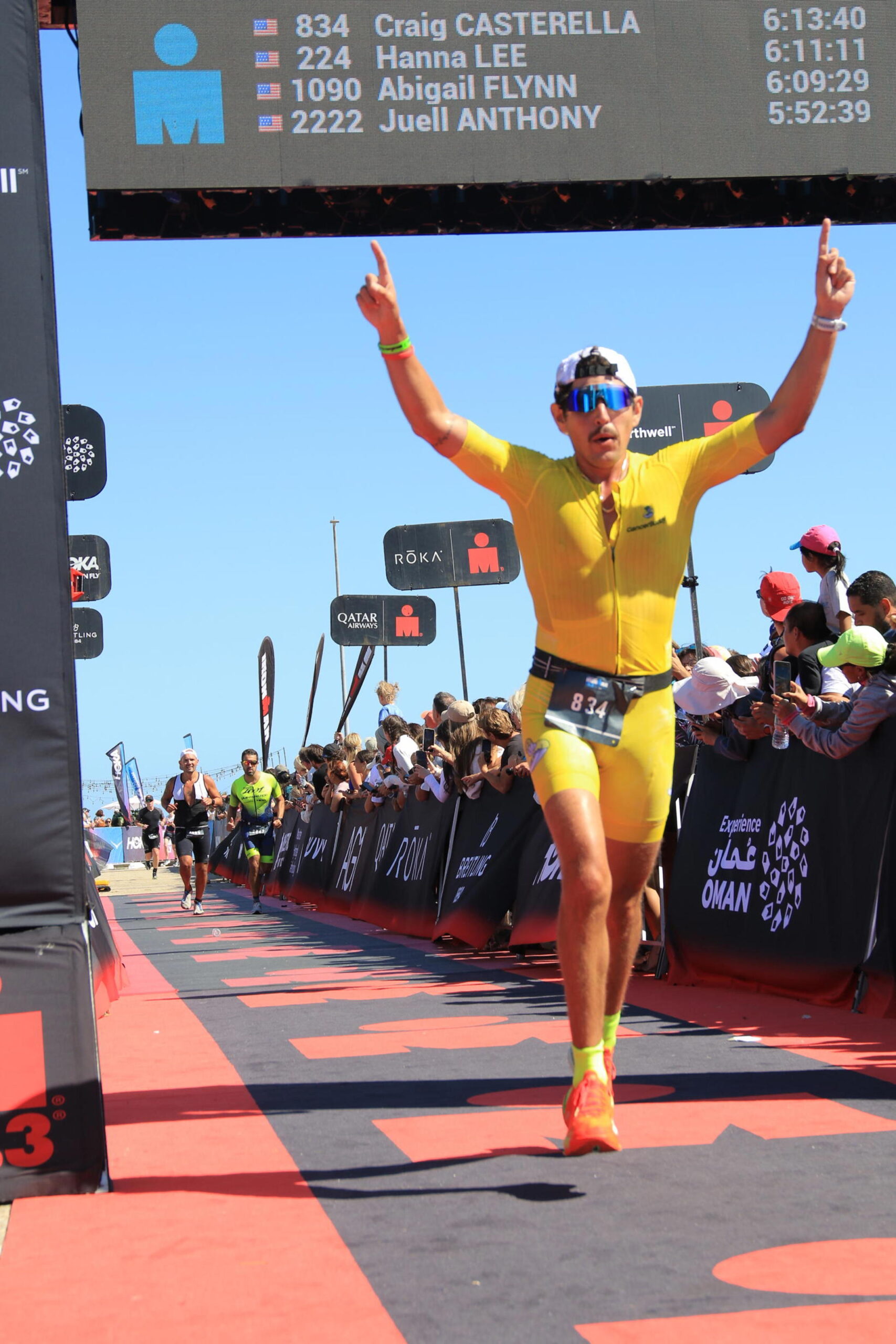
I also renewed my religious beliefs, attending church and studying the Bible. Alongside yoga and meditation, I focused on exercise, nutrition, and my metabolic health. I ate all-natural whole foods and rode my Peloton bike. When spring arrived, I cycled outdoors and fell in love with cycling, just like when I was a kid. I’d been cooped up inside all winter while undergoing chemo, and the thrill and adrenaline of being outside and exercising—it made me feel whole again. Now, I’m doing triathlons and Ironman competitions, and it’s wild that it all started from a cancer diagnosis.
“Now, I’m doing triathlons and Ironman competitions, and it’s wild that it all started from a cancer diagnosis.”
Finding a Doctor Who Listened
After my diagnosis, I visited 5 major institutions on the East Coast. But I found their scheduling and bedside manner to be lacking, and more importantly, I didn’t feel listened to. I felt like a number, not a patient. I was done waiting hours at a scheduled appointment only have the doctor brush off my concerns.
Then someone recommended Dr. Patel-Donnelly at Virginia Cancer Specialists. I immediately fell in love with her style. I was heard, not rushed. She understood my worries, and I never felt judged, which was important to me. Dr. Patel-Donnelly combined her years of expertise with my lived experiences and created a personalized care plan for me. She did this with full transparency and no ego.
The care team at Virginia Cancer Specialists was exceptional. The nurses were helpful, communicative, and personable. They made me smile while providing top-notch care.
I’m happy I found Virginia Cancer Specialists. Their incredible bedside manner meant everything to me. In some of the bigger offices I visited, I felt invisible. Misdiagnoses happen when providers don’t listen or focus solely on their own methods. I wanted an open-minded doctor. After all, every human body is different, so I wanted a doctor who would consider all angles. Dr. Patel-Donnelly did that. She listened, adjusted treatment, and validated my concerns.
Embrace the Hardships
Now that I’m focused on my health and learning how to be better to myself, I’m also looking for ways to help others. I want to create awareness around health and advocacy so that people can make lifestyle changes before it’s too late. Don’t wait until something happens to change.
When it comes to adversity or hardships in life, it’s easy to feel that it’s unfair—that you’re the only person in the world dealing with something so horrible. But I think the big picture is that life is hard. I told myself throughout this journey that I needed to do hard things. Once you’ve dealt with cancer, you’ll be able to overcome any hardship in your life. Chemo is hard—it’s one of the hardest things I’ve had to do. But if there were no hardships and everything was easy, what story do we have? What would we appreciate? Instead of dwelling on what’s wrong, embrace the hardships and find the silver lining. Once you do, the things you need may start to fall in line.
I went to mentors when I was going through chemo, and it was very helpful. I found others who had also taken this journey. People who had gone through similar treatments and could talk about the before, during, and after. Hearing actual results was big for me. I connected with these mentors and was able to message them whenever I needed. And now, my advice for others is to put themselves out there, reach out to others, and find people who are going through something similar to what you are. Talk to them and ask questions, because most of these people will be open with you about what to do, how to overcome, or how to get to that next step.
Be Your Own Advocate
I’m often asked where I found my hope to get through this journey. If I’m honest, it was witnessing my mentors’ successes. Watching them successfully navigate this disease and treatments gave me hope, and hearing their stories made it all real and possible. Of course, they also had warnings about the weakening effects on my body after treatment. But I used those warnings to set my goals. I wanted to prove the theory wrong.
The human body is remarkable. It’s unbelievable. It can endure, but in this world, you also have to be your own advocate. Because while a doctor gathers evidence from their studies and other patients, I also have my own wealth of evidence. It’s my body, and I know my history—what I’ve responded to, what didn’t work. It’s important for the doctor to have all the evidence so they can make a personalized treatment plan based on that.
And when your gut tells you that something is wrong, or that something doesn’t feel right, speak up. Seek help. Be your own advocate.
Looking into the Future
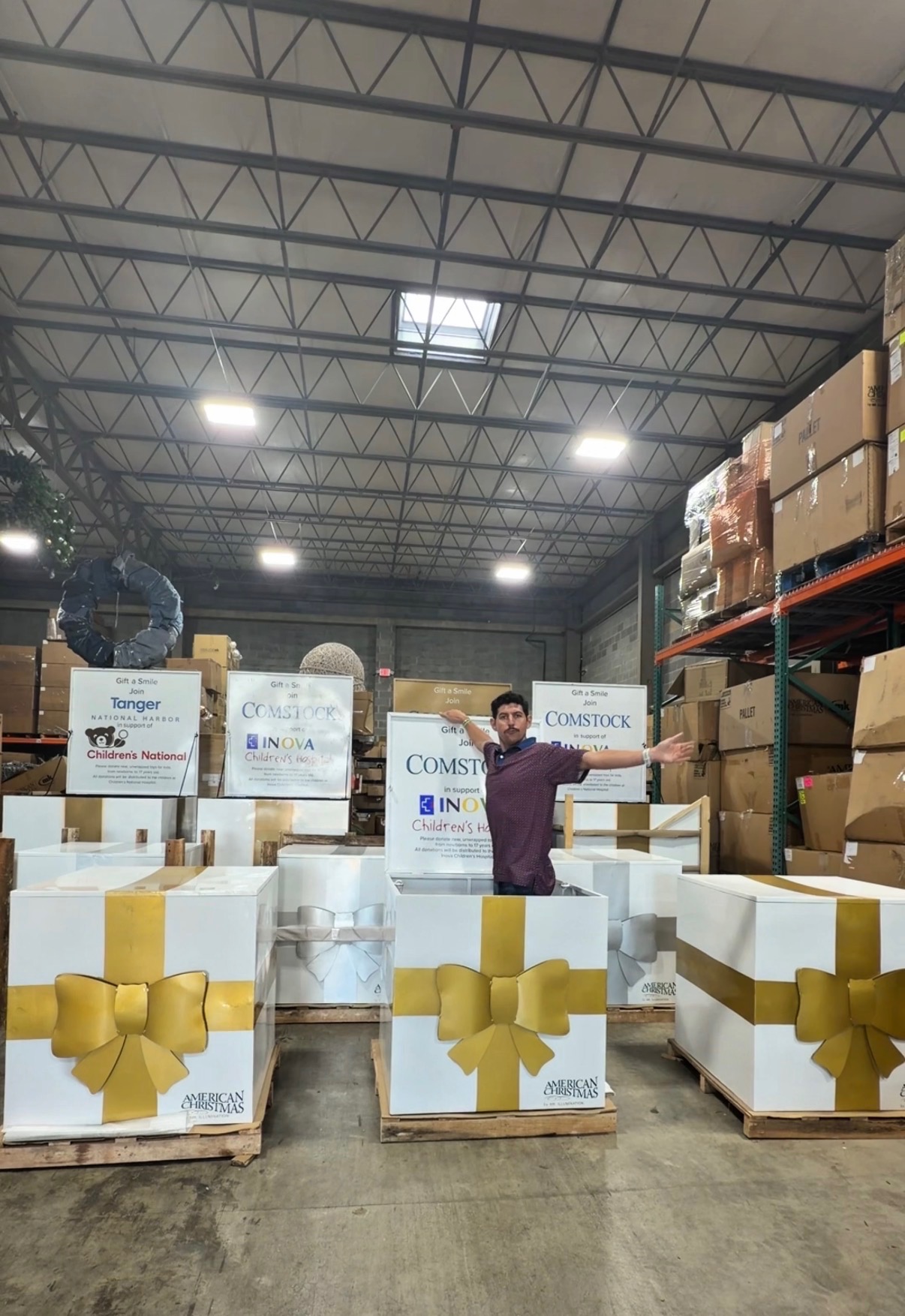
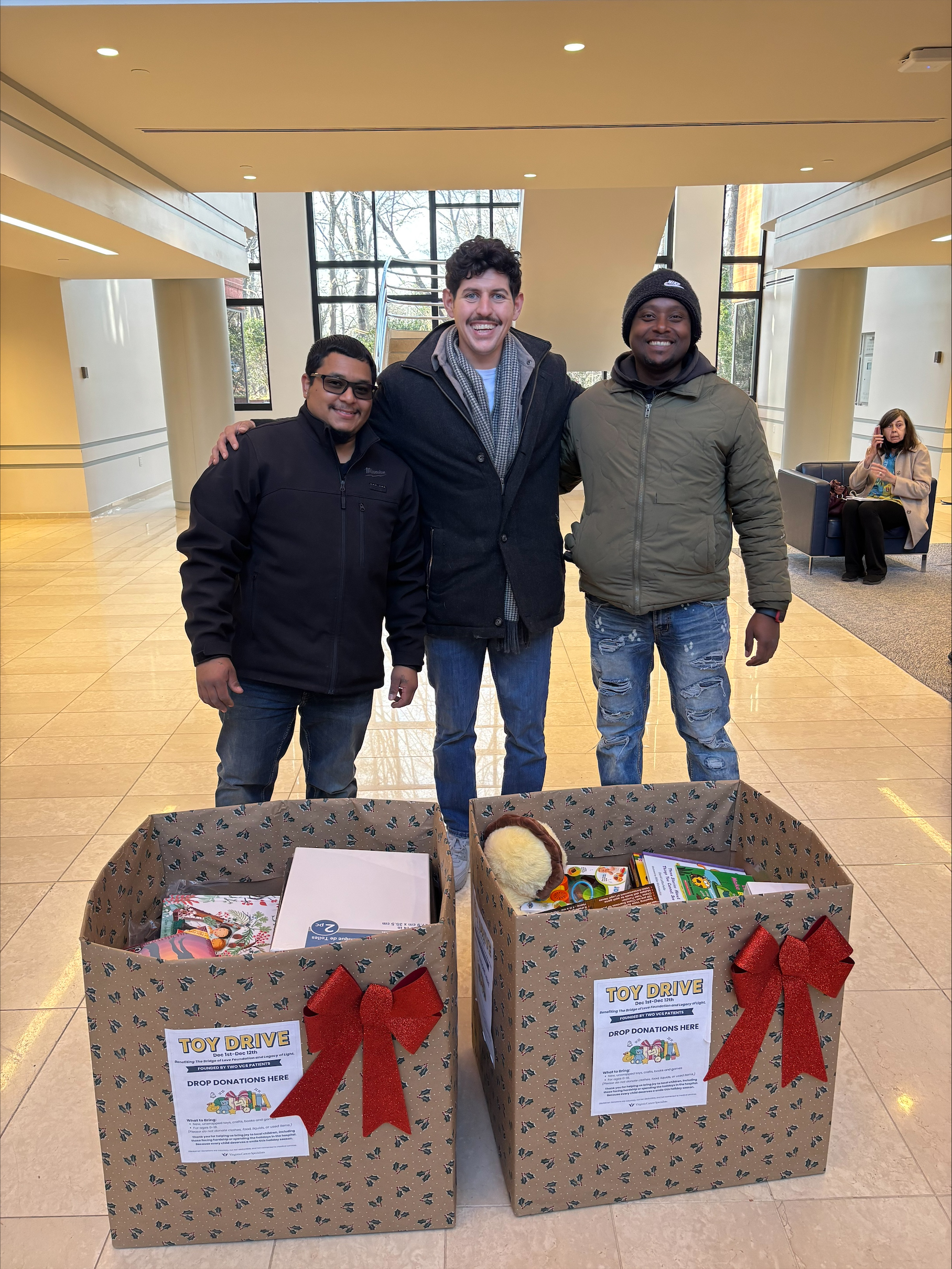
After the marathons and the Ironman competitions, I want to focus on building a survivorship coaching program. I’m also working on toy drives, partnering with several children’s hospitals in the area. I want to try to make magic happen and bring toys to kids who are currently stuck in the hospital for the holidays. I understand that even a few days away from home can be difficult. Now imagine dealing with that as a child. I’m hoping to spread some joy.
Overall, I’m really excited to accomplish more in health and wellness, help others and truly just bring happiness. Through this journey, I’ve learned to prioritize my well-being. I’m locked in on growing myself individually and creating something that I can be happy about. Creating a future that I can be proud of.

Md5: fad224761b46c