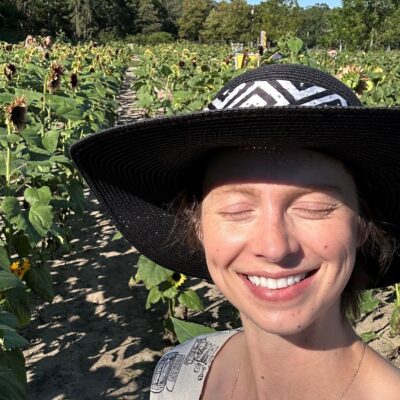

I was 30 years old when I was diagnosed with breast cancer.
I was 30 years old when I was diagnosed with breast cancer. Up until that moment, my life was pretty normal. I live in Ashburn with my husband and our dog, close to my family. At the time, I was working full time and enjoying different hobbies like sewing and dancing. I’ve always been a creative person.
Around the time of my diagnosis, I had plans to travel abroad for work. I was preparing for the trip and getting things in order when I decided to follow up on a doctor’s order from a few months earlier. Back in April, I felt a lump about the size of a small marble on my right breast and brought it up with my gynecologist at a routine annual checkup. During that appointment, she took my concerns seriously and ordered a mammogram.
I delayed making an appointment right away. I’d had another lump in my breast before that turned out to be a fibroid. I figured this one would also be benign, so I didn’t get to it right away.
I ended up scheduling the exam shortly before my July work trip, trying to get things done before I left. During the mammogram, I also received an ultrasound because of dense breast tissue. After the doctors reviewed the images, though, they ordered a breast biopsy.
On July 24, I was diagnosed with stage 1 hormone receptor-positive invasive ductal carcinoma.
Diagnosed with Breast Cancer
No one forgets the moment they find out they have cancer. I was stuck in traffic after a late night at work when I noticed a voicemail from my doctor. She said my results were back and asked me to call her to discuss them. The office was already closed, so I pulled up the biopsy report online. I read through it and paused when it said I had invasive ductal carcinoma.
I’d heard the word “carcinoma” before, and in that moment, I realized I had cancer. I was also still stuck in traffic on an otherwise ordinary day. I was shaking. I was overwhelmed. I decided I needed something to look forward to, so I told my husband I was ordering Thai food for dinner.
After I got home, we hugged and cried. During that time, family and food were the things that brought me the most comfort.
Understanding My Cancer Treatment Options
After receiving the diagnosis from my gynecologist’s office, I got several recommendations for Virginia Cancer Specialists from friends who knew others treated there. I was able to get an appointment for the next day to discuss next steps.
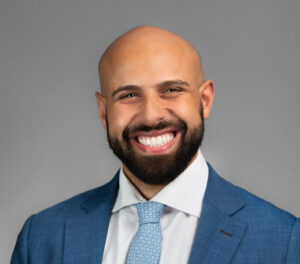
From my first consultation with surgical oncologist Dr. Hueman, it was clear he wanted me to be comfortable with my treatment plan and empowered me to understand my decisions. It was reassuring to have that control over my future, but at the same time, I felt overwhelmed by so many choices. I’m grateful for my family and friends—especially my mom and husband—who helped me through my decision-making process for my treatment plan.
My mom came to my appointments to take notes and make sure we got all the information. I approached those appointments with a business mindset. It was a coping mechanism, a way to stay focused and feel in control of the situation.
One of the more difficult moments came when deciding between a lumpectomy and a double mastectomy. A few women shared their opinions and asked why I wouldn’t just choose a double mastectomy and “new, perfect breasts.” I struggled with whether I was making the right decision for my future self.
I called Dr. Hueman and shared my concerns. I broke down crying and laid out all my fears. He was warm and understanding and he told me it was good that I was expressing my emotions.
“Dr. Hueman took the time to explain the treatment research from beginning to end but made it clear that everything was my choice.”
Dr. Hueman took the time to explain the treatment research from beginning to end but made it clear that the decision was my choice. I was encouraged that the research supported my choice to have a lumpectomy with adjuvant therapy—chemotherapy, radiation and hormone therapy—and showed it could be as successful as more invasive options such as a double mastectomy.
Feeling reassured, I underwent a lumpectomy, or partial mastectomy—the least invasive option to remove the cancer. I wanted the least painful and invasive option that would still ensure the lowest risk of recurrence, or cancer returning. Following my diagnosis, Virginia Cancer Specialists conducted genetic testing to rule out any mutations such as BRCA1, which would have factored into my treatment decision. I also wanted to make sure there was no cancer in my left breast, and my doctor supported additional testing, including MRIs and biopsies, which all came back clear.
After my surgery in August 2024, I began chemotherapy from October and continued through February, based on my Oncotype score—a genomic test used to assess the risk of breast cancer recurrence and guide treatment decisions, particularly regarding chemotherapy. A few months after chemo, I underwent a month of radiotherapy. I’m now taking hormone therapy with ovary suppression, which I’ll continue for several years.
I was also consulting with medical oncologist Dr. Diasti. He was wonderful. He remembered small things from our appointments, such as my upcoming dance classes or outdoor activities. Both he and Dr. Hueman would ask about my husband, my mom—even my dog. That attention to detail made me feel like I was their only patient when I was there. It really helped my state of mind.
I’m grateful they provided personalized care beyond tumor type and disease-specific treatments. They made me feel heard. They helped me understand the research so I could make the best choices for my health. I felt they cared about my whole person, not just the cancer.
“I felt they cared about my whole person, not just the cancer.”
Rediscovering Life During Cancer Treatment
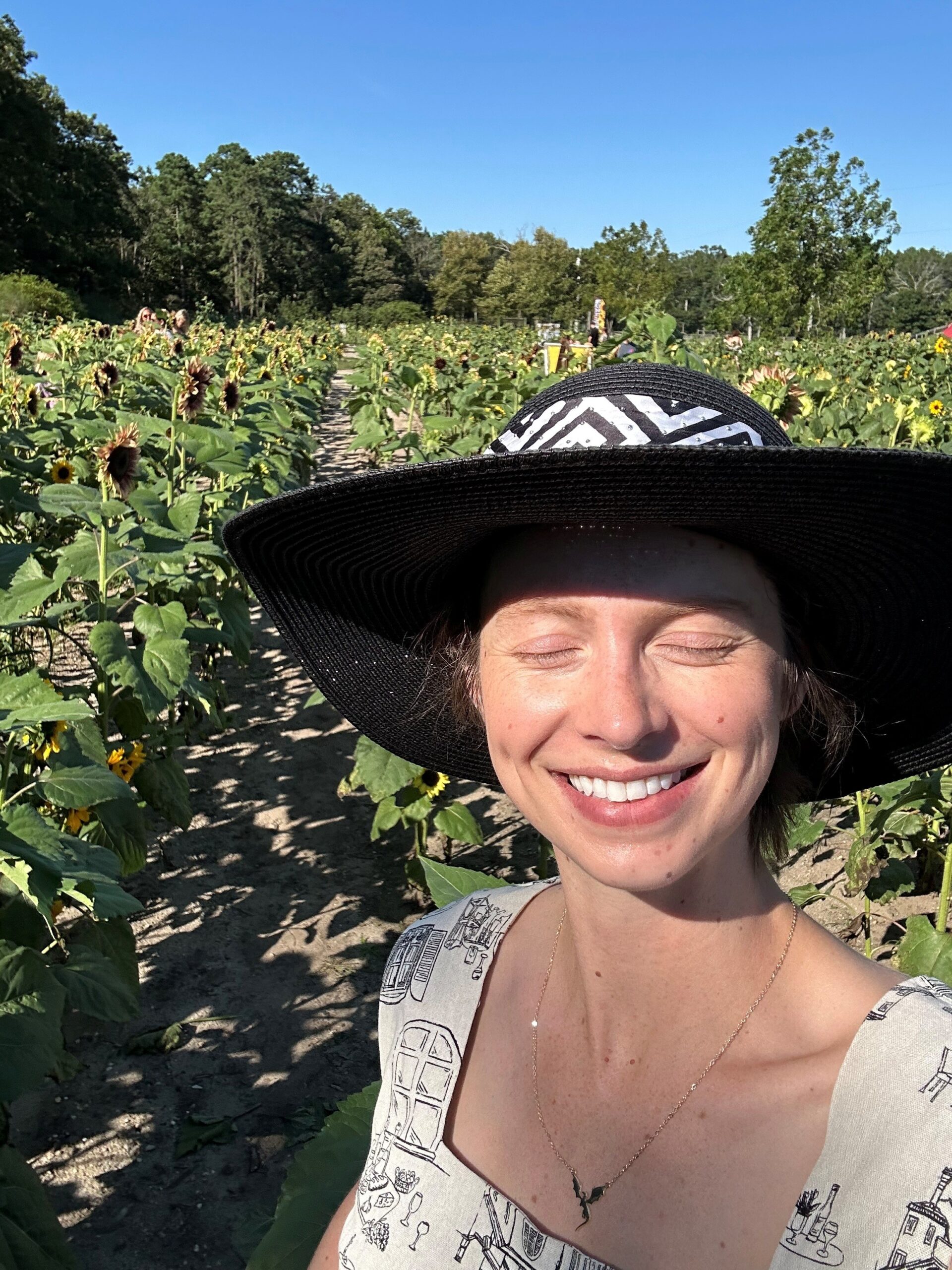
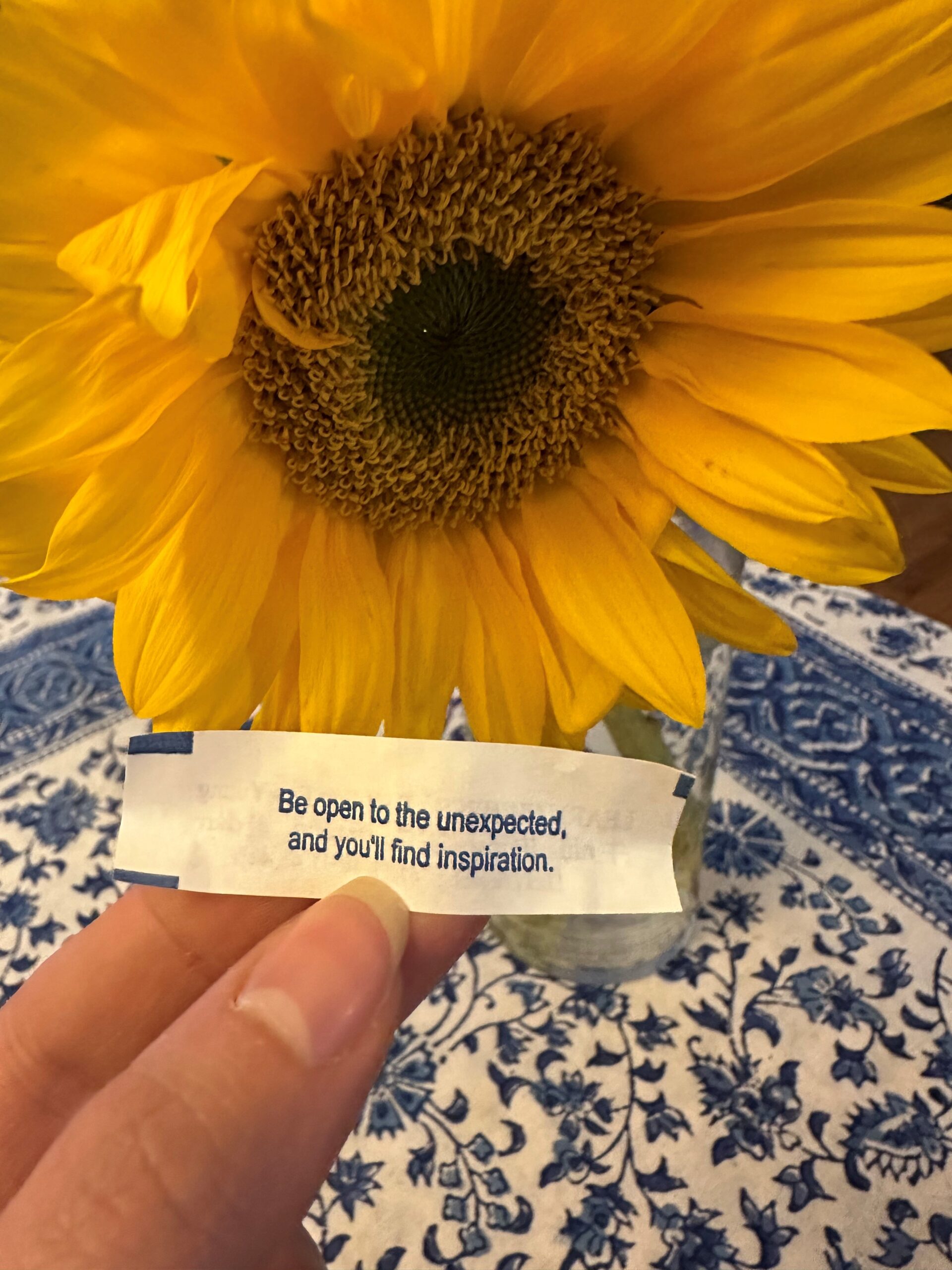
Throughout this journey, I’ve found hope and inspiration all around me. I’ve been able to reconnect with nature. During treatment, whenever I felt down or overwhelmed, I’d walk my dog and enjoy the outdoors. Feeling the sun on my face helped ground me, even during some of the most difficult times.
Creativity also helped. I finally had time to focus on that part of my life. It’s strange—I was grateful to have time to rest at home, even though it wasn’t exactly a relaxing time. Having a break from full-time work and social pressures allowed me to focus on healing, organizing my next round of appointments and taking things one day at a time.
My mom lives about 15 minutes away, and she often came over to walk with me. She’s creative, too, so we’d send each other Pinterest posts and share ideas. It was a special time for reflection. I also started seeing a therapist shortly after I was diagnosed, which was incredibly helpful. I’d always wanted to try therapy but never knew how to start. I remember thinking, “Well, if not now, when?” It turned out to be one of the best decisions I made.
Friends I hadn’t talked to in a while began sending cards, flowers and small gifts. Those gestures meant the world to me. It was such a nice way to reconnect, and their thoughtfulness reminded me how much love I had around me.
And then there was humor—one of the biggest coping tools my husband and I relied on. We used a lot of dark humor throughout everything, and honestly, sometimes you just need to laugh. We’d joke that life had been going so well that the universe must have decided to humble us a bit. Humor brought some levity to it all. In those moments of laughter, we were reminded what “for better or worse, in sickness and in health” really means.
Advocating for Yourself at Any Age
No matter your age, I encourage everyone to be familiar with their bodies and perform monthly self-breast exams. I found my lump because I knew my body so well, and I noticed something felt different. If I hadn’t been checking regularly, I might not have caught it when I did.
I also recommend asking your gynecologist or primary care doctor about a breast cancer risk assessment, such as the Tyrer-Cuzick Risk Assessment Calculator. It’s free and helps identify risk factors based on your personal and family medical history. In my case, I didn’t have a high risk or any direct family history of breast cancer, so paying attention to changes in my body and taking them seriously was key to my diagnosis.
Ultimately, it’s important to always advocate for yourself. If you feel that your concerns aren’t being taken seriously, don’t be afraid to find another doctor. You can also talk to your insurance provider to learn what diagnostic tests are covered.
The earlier you detect cancer, the more options you have.
Beyond medical care, it’s important for people who are newly diagnosed not to isolate themselves. At first, I wanted to pull away from everyone—not out of shame, but because I felt no one could really understand what I was going through. But there’s a huge network of people who’ve walked this path, and connecting with them can make a world of difference.
Find a community that makes you feel heard—whether it’s an online support group, a therapist, or trusted friends and family. Talking about it helps more than you might expect. You don’t have to go through this alone, and support looks different for everyone.
When people offer to help, be honest about what you actually need. For example, my husband and I love ordering takeout, so when friends offered to bring meals, we’d say, “Maybe you could help walk the dog instead.” It’s OK to let people know what will truly be helpful for you, rather than just accepting what they think you need.
And finally, take time to slow down. The first month after my diagnosis felt like a year—there was so much information coming at me every day. It’s easy to get caught up in the whirlwind, but you have to take care of your mental health. Whether that’s through therapy, mindfulness or simple self-care routines, it’s crucial to pause and breathe.
Just like your medical treatment is personalized, your emotional care should be, too. Find what works for you, and don’t be afraid to speak up about what kind of support truly helps. That honesty can make a huge difference for both you and the people who want to help you.
A New Perspective on Life
I’m still figuring out how to put it all into words, but I definitely see life differently now. I used to be an anxious person who took everything seriously, but this past year has brought all of life’s contradictions to the surface—the beauty and the pain, the joy and the fear. Somehow, everything feels more beautiful now.
I focus on valuing the time I have with family and friends. Whenever I feel that familiar pit of anxiety, I try to face it, breathe and remind myself—and others—that it’s OK to feel that way. It’s easy to get caught up in stress or the state of the world, but taking a step back to appreciate what’s good changes everything.
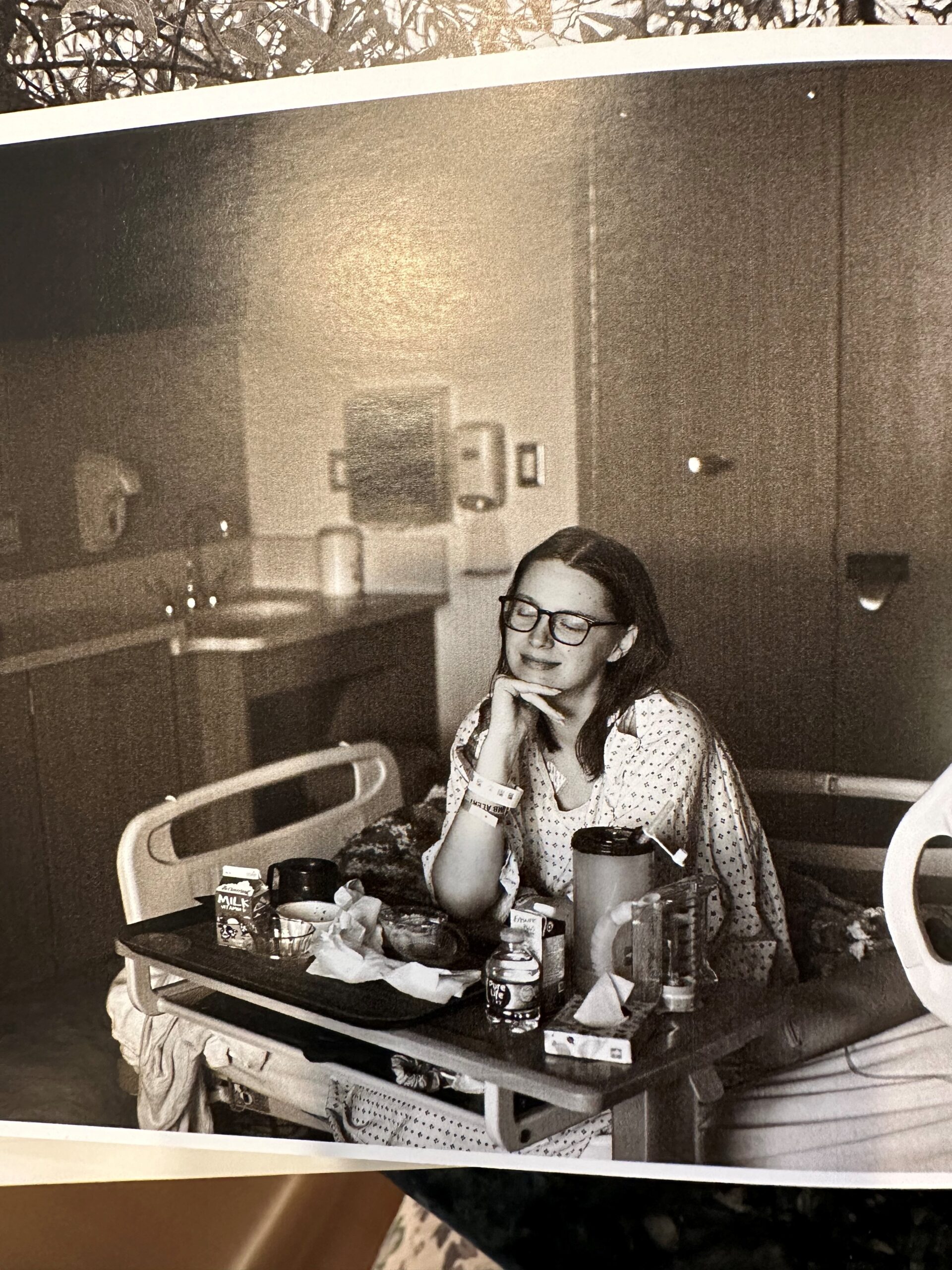
At one point during treatment, I was hospitalized for 11 days from a parasite that flared up during chemotherapy. I honestly thought I might die—and I wasn’t ready. That experience made me deeply grateful for every person and every day in my life.
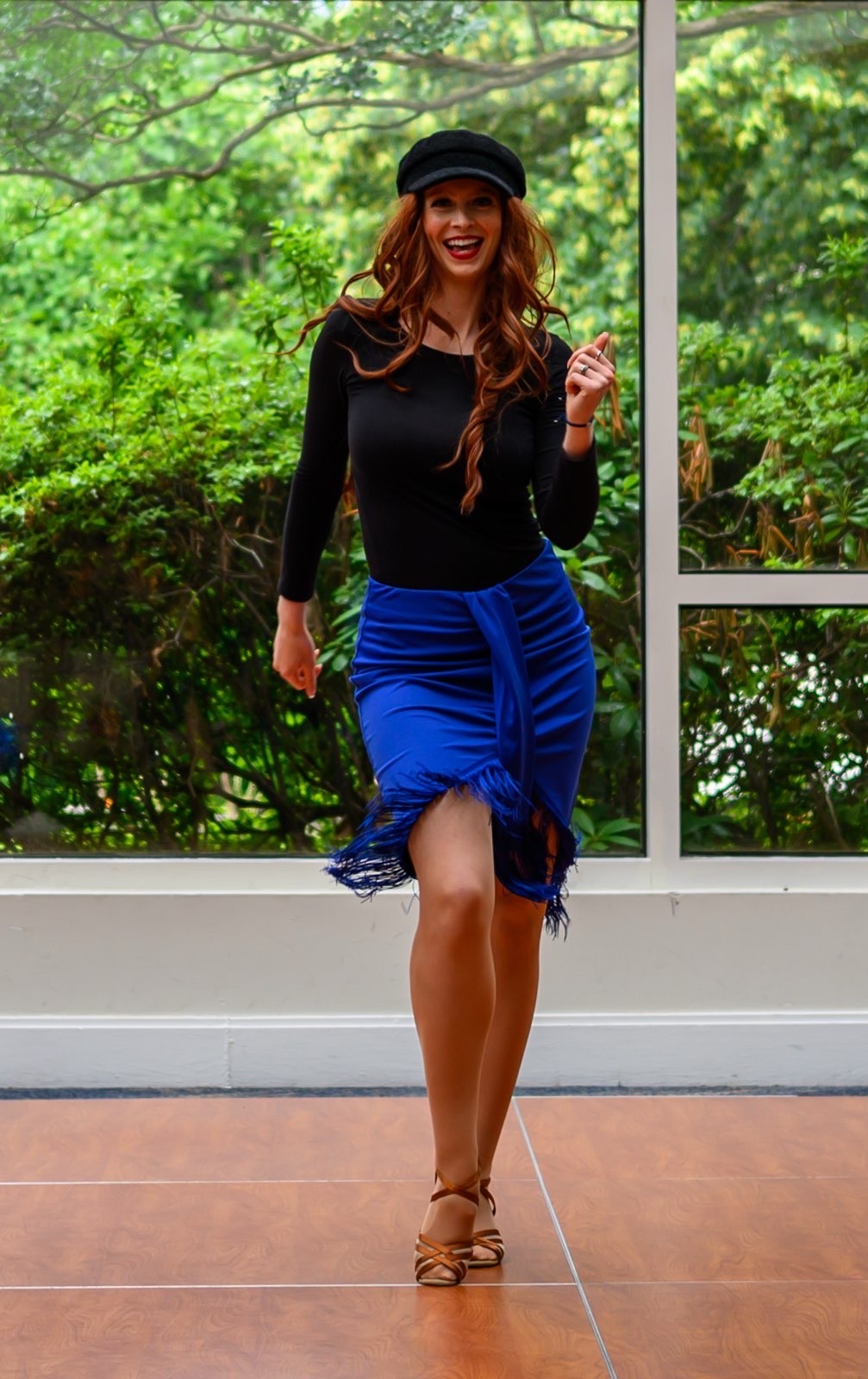
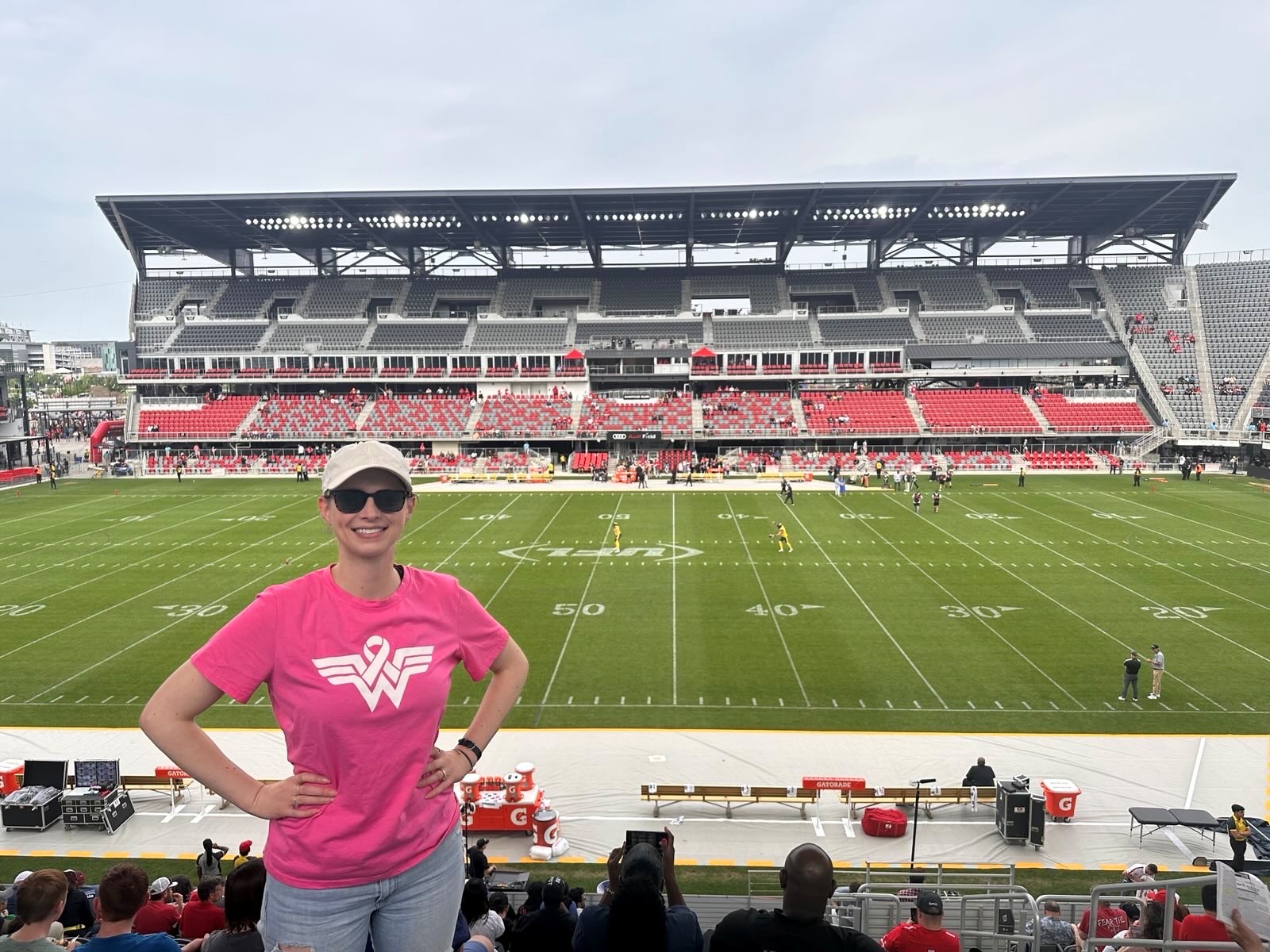
Since then, I’ve tried to embrace new experiences. I started ballroom dance lessons and even performed in a salsa showcase just a month after finishing radiation. I’m planning to compete next spring. I also ran the Army Ten-Miler this year—after missing it last year because it fell on the day of my first chemo treatment. Running it felt like redemption and a celebration of what my body can still do.
One lesson I’ve learned is to not put things off. I waited months to schedule my imaging after finding my lump, and that delay could have changed everything. Now, whether it’s scheduling an appointment or finishing an embroidery project, I try to follow through.
After talking with my therapist, I realized that this experience made me want to do everything—to live 100 lives. But I’ve also learned not to let that urgency steal the joy from the moment. Whatever I get to, I’ll be happy. That mindset has brought me peace.
I also started sharing my story on Instagram to keep family and friends updated and to help others understand what life with breast cancer really looks like. Along the way, people told me they learned things they never knew about breast cancer—how different each diagnosis can be and how important it is to listen to your body. That’s what makes sharing my journey worth it.
If my story encourages even one person to schedule that exam, ask that question or take their health more seriously, then something good has come from it. You’re never too young to pay attention to your body—or to start taking your health seriously.