
Clinical Trials
& Cancer Research

50+ YEARS OF PROGRESS. YEARS OF HOPE.
Advancing Cancer Care Through
Clinical Trials in Northern Virginia
Largest
Mid-Atlantic Research Program
Home to the largest oncology research program in the Mid-Atlantic, including early-phase immunotherapy, targeted therapy, and cellular therapy studies.
200+
Active Trials
At any given time, the Institute has approximately 200 actively accruing clinical trials spanning Phase 1–3.
5
NoVA Locations
Patients can access the latest innovations in cancer treatment from 5 locations across Northern VA through the Research Institute.
3,400+
Patients Enrolled
Since 1997
Since 1997, the Virginia Cancer Specialists Research Institute has enrolled more than 3,400 patients in clinical trials.
80,000+
Participants Enrolled
Since 1999, nearly 80,000 participants have enrolled in more than 1,600 clinical trials through US Oncology Research.
2.0M
Patients Annually
As part of The US Oncology Network, we benefit from the collective knowledge of 3,300+ physicians caring for more than 2 million patients annually across 750+ sites nationwide.
180 Years
Global Leader
Supported by McKesson, the US Oncology Network connects patients to the latest oncology innovations while keeping care local.
Find A Clinical Trial
To inquire about clinical trials or reach a nurse navigator:
Why Choose the Virginia Cancer Specialists Research Institute?
Since 1997, the Virginia Cancer Specialists Research Institute has helped bring the latest advances in cancer treatment to patients throughout our community. More than 3,400 patients have participated in our clinical trials, gaining access to innovative therapies for breast, brain, lung, blood, and many other types of cancer.
Access to Leading-Edge Cancer Treatments
We offer the largest and most comprehensive clinical trials portfolio in the Mid-Atlantic, providing access to promising new therapies that may not yet be widely available.
Benefits include:
- Clinical trials for many cancer types and stages
- Access to emerging treatments years before they become widely available
- Opportunities that may be appropriate throughout your cancer journey, not only as a last-resort option
- Cutting-edge medicine available closer to home, reducing the need for travel to distant academic centers
Personalized Clinical Trial Guidance
Finding the right clinical trial can be overwhelming. That’s why our dedicated Clinical Trials Nurse Navigators provide one-on-one support to help you explore your options.
Our team will:
- Review your diagnosis, treatment history, and care goals
- Help identify clinical trials that may be appropriate for you
- Explain the trial process in clear, understandable terms
- Answer questions and provide ongoing education and support
Concierge-Level Support Every Step of the Way
At Virginia Cancer Specialists Research Institute, you’re never navigating the process alone.
You can expect:
- Personalized guidance and advocacy
- Direct access to experienced clinical research professionals
- Compassionate support tailored to your unique needs
- Timely responses to your questions and concerns
Unlike many large academic centers, we offer a highly accessible, hands-on experience focused on helping patients and referring physicians navigate clinical trial opportunities quickly and confidently.
Expertise You Can Trust
For nearly three decades, our experienced research team has been advancing cancer care through participation in groundbreaking clinical trials.
Our commitment includes:
- A personalized approach centered on each patient’s unique situation
- Extensive experience conducting oncology clinical trials
- Dedicated research specialists committed to exceptional patient care
- A focus on connecting patients with the most advanced treatment opportunities available
Speak with a Clinical Trials Nurse Navigator
Because clinical trial opportunities are continually evolving, the best way to explore your options is to speak directly with our team.
Advancing Cancer Care Through Clinical Research
How Clinical Trials Are Revolutionizing Cancer Treatment
How Clinical Trial Navigators Support Cancer Patients
Why the Future of Cancer Treatment Starts with Research
We’re here to help you find the right clinical trial and provide expert guidance every step of the way.
Available Clinical Trials at Virginia Cancer Specialists
We have trials for nearly every type of cancer and every cancer mutation, such as those parts of the body represented here and many more. We also host trials related to the following: KRAS, MTAP, EGFR, PIK3CA, BRAF, precision medicine, targeted therapy, ADC, CAR-T, TKI, biologics, immunotherapy, and radiopharmaceuticals/theranostics.
Because our clinical trials portfolio is large and new trials are added regularly, we encourage you to take advantage of a free one-on-one consultation with a Clinical Trials Nurse Navigator. To learn more, reach a Clinical Trials Nurse Navigator at 703.636.1473 or VCSResearchReferrals@USOncology.com.
Physician Leadership
Our physician leaders are integrated into the research program at every step, helping guide trial development, enrollment, and patient care across the Virginia Cancer Specialists Research Institute.


Co-Director, Virginia Cancer Specialists Research Institute;
Director, Hematologic Malignancies Program
Co-Director, Virginia Cancer Specialists Research Institute;
Director, Thoracic and Phase I Program;
Clinical Assistant Professor, Johns Hopkins

Patient Stories
“Throughout my wife’s trial, the research staff and physicians provided the best medical care available anywhere. We knew the team had our back throughout the process. Last month, my wife passed away.
Largely through the work of the research and support staff, her life was extended 5 years providing half a decade of treasured memories to me and my family that we might have missed.
Thank you. I salute you.”
Spouse of Virginia Cancer Specialists Patient, 2025
“I would like to express my deepest appreciation to the entire team at Virginia Cancer Specialists. I was diagnosed with lymphoma about a year ago, and walking into this journey was overwhelming—until I met Dr. M. Gandhi.
My experience with clinical trials and research under the care of Dr. M. Gandhi has been nothing short of life changing. His confidence in my treatment plan, his honesty, and the time he took to answer every question gave me strength and comfort when I needed it most.
The entire team reflected that same compassion. The NPs — especially Randi — were calm, caring, and endlessly patient, always making sure I understood every step. The Clinical Research Coordinators were there whenever I needed them, ready to listen and guide me through the process. Even my phlebotomist became a friend along the way.
The hospitality, support, and humanity shown by everyone involved made an overwhelming journey feel manageable. I am deeply grateful to all of you.”
DD, Clinical Trial Patient, 2026
“My experiences with Clinical Trials at VCS have been positive. The coordinators, the research team and Dr. Spira are very professional and communicated clearly and with detail regarding the trial and procedures. They answered all my questions regarding my care. They treated me with respect and compassion and ensured I was fully informed.”
CF, four-time clinical trial patient, NEXT Oncology and Virginia Cancer Specialists
“In 2020, my wife was permitted to participate in a new clinical trial led by Dr. Spira. The trial ended recently and resulted in a new medication being approved by the FDA to treat a form of cancer that had previously been seen as ‘undruggable.’ Throughout the trial, Dr. Spira and his staff were continuously there providing the best medical care available anywhere.”
Virginia Cancer Specialists patient of Alexander I. Spira, MD, PhD, FACP, FASCO
Patient Information
Clinical Trials 101
Clinical trials are research studies conducted with patient volunteers to assess the benefit of novel therapies and improve long-term outcomes for specific diseases. Each study is designed to answer specific scientific questions and identify better ways to prevent, diagnose, or treat cancer.
What are clinical trials?
- Clinical trials are research studies conducted with patient volunteers to assess the benefit of novel therapies, in an effort to improve long term outcomes for a particular disease.
- Each study tries to answer specific scientific questions and find better ways to prevent, diagnose, or treat cancer.
- Each study has eligibility criteria to determine who can or cannot participate in the study. The research team carefully evaluates each patient referred for a clinical trial to ensure they meet criteria.
How do trial phases work?
- Phase I: Phase I trials test a drug for the first time in a group of about 20-80 people to evaluate proper dosing and safety.
- Phase II: Drugs in Phase II trials are tested in groups of large, confirmatory trials assessing an investigational drug against the standard of care.
- Phase III: Phase III trials further use groups of large confirmatory trials assessing an investigational drug against the standard of care in preparation to safely market the drug.
- Phase IV: Phase IV trials test drugs after they have been marketed to monitor long-term side effects.
Why are clinical trials important?
- Research offers Virginia Cancer Specialists access to new investigational drugs, reduces treatment-related side effects, and introduces new methods of care.
- Clinical trials are a vital part of the process in finding new targeted treatments.
- Research studies are conducted to determine if a study drug is safe and effective.
- Today’s research will guide the improvements for tomorrow’s cancer care, as data collected during a clinical trial can ultimately lead to a new therapy approval by the FDA.
What is informed consent?
- To participate in an open trial, a patient must be given the opportunity to read and review a consent form specific for the trial.
- Upon providing written informed consent a patient will enter a screening period to complete requirements outlined by the study.
- Following this, provided all criteria is met, the patient will then start treatment ‘on study.’
What is a study protocol and why is it important?
- A protocol is a study plan on which all clinical trials are based. The plan is carefully designed to protect the health of the participants as well as answer specific research questions.
- A protocol specifically outlines the purpose of the study as well as details such as who is eligible to participate, the study size, number of participants, and describes the plan of care and collection of data.
- A study’s protocol is carefully developed and reviewed by the Principal Investigator and the sponsoring organization. It is then reviewed and approved by an Institutional Review Board (IRB) to ensure trial procedures are consistently carried out.
- This protocol is used by every doctor taking part in the study.
Who pays for clinical trials?
- Federal law often requires insurance companies to cover standard costs.
- The study sponsor typically covers extra testing costs.
- When a patient takes part in a clinical trial, he/she may have extra doctor visits that they would not have with standard treatment. During these visits the doctor carefully watches for side effects and patient safety in the study. These extra visits can add costs for transportation and childcare.
- Prior to entering the research program, clinical trial costs will be discussed with the patient, and any questions will be answered by the Research Finance Team.
What are the possible risks of participating?
While rare, some possible risks that patients may face could include:
- Participants in randomized studies will not be able to choose the treatment approach they receive.
- Health insurance and managed care providers may not cover all patient care costs in a study, in which case the patient would be responsible for those costs.
- Therapies under study are not always better than the standard care.
- New treatments have unknown side effects or risks.
Clinical Trials in The US Oncology Network
Patient Safety in Clinical Trials
(National Cancer Institute)
How to Join
Should I participate in a Clinical Trial?
The decision to take part in a clinical trial is a personal one. You may wish to talk to your family and loved ones, as well as members of your health care team, before deciding. As with all current standard treatments, there can be possible risks as well as benefits from taking part in clinical trials.
Study drugs may be found to be more or less effective than current standard treatments and have side effects not yet known. You will be informed of these risks as much as possible. Your health care team will give you the information you need to make the decision that is right for you.
What’s required to participate in a clinical trial?
- A patient must inquire through his/her physician or a Clinical Trials Nurse Navigator.
- A patient must be given the opportunity to read and review a consent form that is specific for the trial.
- Following careful review and discussion with the patient’s physician and/or the physician running the trial at Virginia Cancer Specialists, the patient will meet with a Clinical Research Coordinator (CRC) who will be the main contact during the study.
- There may be specific tests for the study, such as an echocardiogram, EKG, blood work, or even a biopsy of the patient’s cancer.
- Following this, if all criteria are met, the patient will then start treatment ‘on study.’
Myths & FAQ
Are clinical trials only for late-stage cancer?
No. Clinical trials are often recommended for both early-stage and advanced disease. In many cases, investigational treatments may offer safer or more effective options than the current standard treatment.
Will I be treated like a guinea pig or only get a placebo?
Patients are treated with dignity and are carefully monitored throughout the study. Placebos are rarely used in cancer trials, and when they are used, they are part of a carefully designed study plan that is explained during consent.
Can I withdraw from a clinical trial once I commit?
Yes. Participation is voluntary, and patients can withdraw at any time without affecting their future medical care.
Are clinical trials only offered at hospitals or academic centers?
No. Many clinical trials are offered in community settings, including Virginia Cancer Specialists, helping patients access emerging treatments without unnecessary travel.
Will I match with a clinical trial?
Myth: I most likely won’t match with a clinical trial.
Fact: With more than 200 actively enrolling clinical trials, we have a trial for nearly every cancer type and mutation.
How do I know if a trial is right for me?
Myth: I’m not equipped to know if a trial is right for me.
Fact: Our dedicated Clinical Trial Nurse Navigators are here to offer you a one-on-one phone or virtual consultation to help you determine whether a clinical trial is right for you. Our clinical team is ready to assist you: 703.636.1473 or VCSResearchReferrals@USOncology.com.
Can I afford a clinical trial?
Myth: I can’t afford a clinical trial.
Fact: Most insurance plans, including Medicaid, cover clinical trials as standard care, reducing patient costs. Our Clinical Trial Nurse Navigators can help you understand any out-of-pocket treatment costs.
Will I have to stop my current treatment?
Myth: I’m worried about stopping my current treatments to try something new.
Fact: Some trials allow you to continue your current treatments, while others integrate new therapies with existing ones. Our Clinical Trial Nurse Navigators can help walk you through your options.
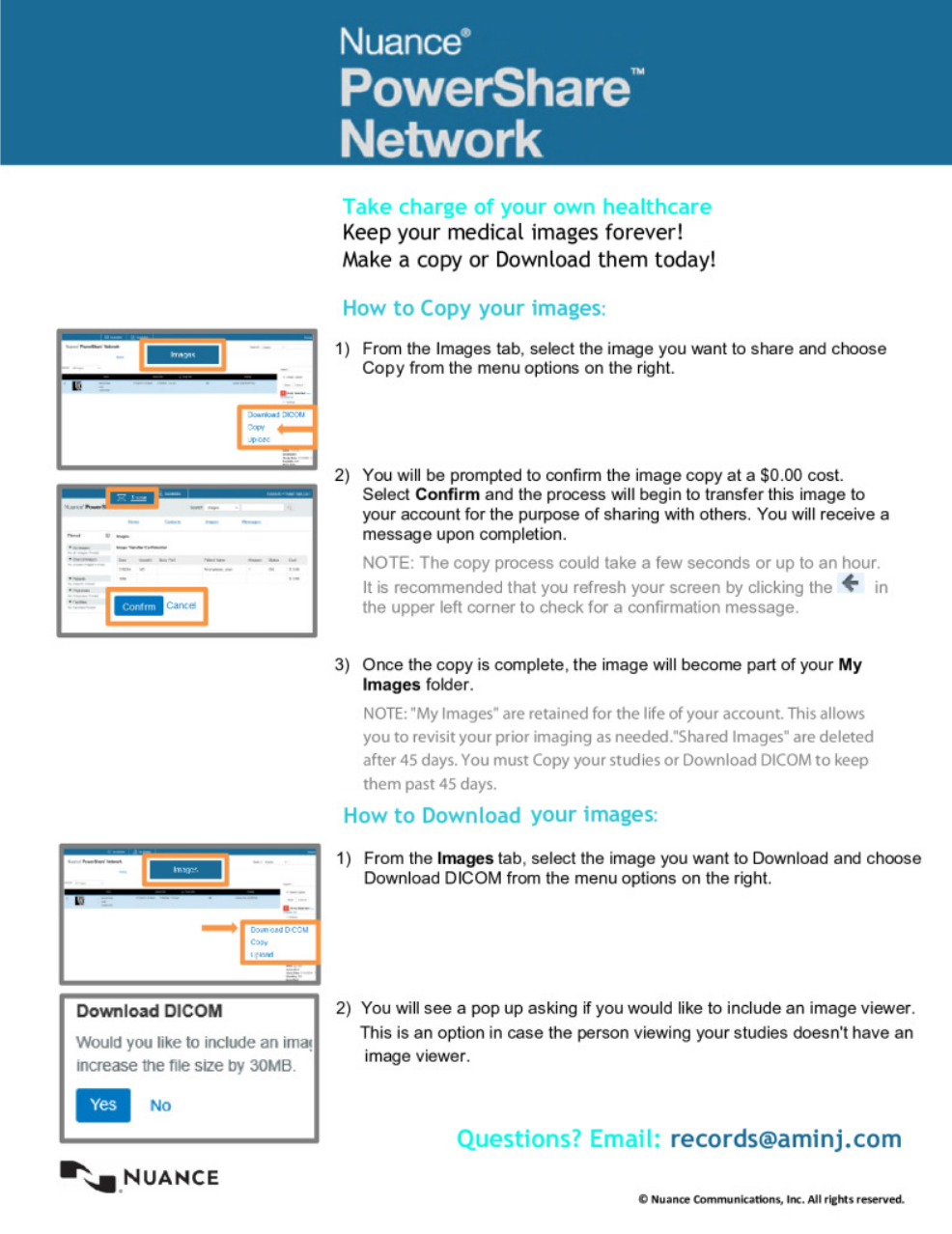
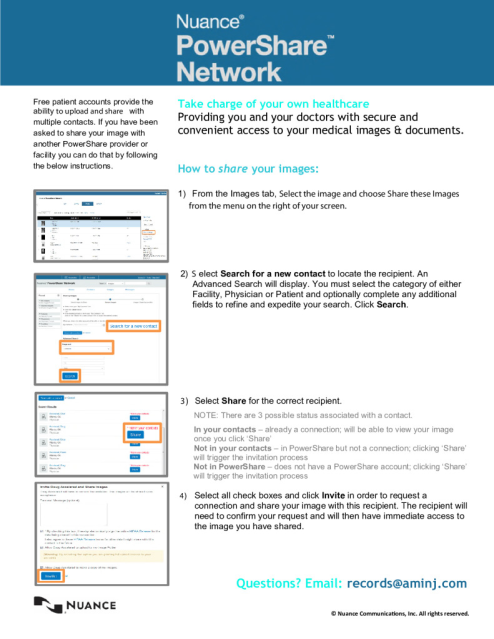
Patient Imaging Uploader (PowerShare)
How to COPY Images
How to SHARE Images
Sarah Cannon – Fighting Cancer Together

We also participate in clinical trials through Sarah Cannon Research Institute (SCRI), one of the world’s leading oncology research organizations conducting community-based clinical trials, and a leader in drug development for more than three decades.
SCRI has conducted more than 800 first-in-human clinical trials since its inception and contributed to pivotal research that has led to the majority of new cancer therapies approved by the FDA in the past decade. Virginia Cancer Specialists’ affiliation with SCRI creates new avenues and approaches to increase clinical trial access
Benefits of Participating in a Clinical Trial
Personalized Medicine
Clinical trials often utilize personalized medicine, which looks at a patient’s specific genetic mutations, markers, or DNA sequencing to inform the treatment approach. Many personalized medicine therapies are only available through clinical trials.
Virginia Cancer Specialists participates in many clinical trials to learn what works (and what doesn’t) as we advance cancer care. Trials are the best way for doctors to learn what is safe and effective to improve cancer outcomes.
Careful Monitoring
Because the promising new treatment is being carefully studied, patients are also carefully monitored by healthcare professionals to see how they are doing and to watch for side effects. Patients enrolled in clinical trials tend be monitored and talk with their care team more often than those not enrolled on a clinical trial.
Safety First
Requirements for clinical trials are strictly managed by the U.S. Food and Drug Administration (FDA). Before a therapy is approved for testing in humans, the FDA ensures that it has gone through strict testing protocols in laboratory animals.
Close to Home
As a renowned community cancer center, we offer clinical trials close to home without having to travel to an academic research institution. Patients here are closely monitored from some of the most respected cancer doctors in the country under the leadership of Alex Spira, MD, and Mitul Gandhi, MD.
Scientific Advancement
Participation enables patients to actively engage in their medical care while simultaneously helping future patients on the path to new transformative discoveries. Without clinical trials, there is no progress toward cures for cancer. By participating in scientific research through a clinical trial, you can help future cancer patients access new, better treatments and play a more active role in your own health care.
Patients gain access to novel treatments not yet commercially available that can benefit their outcome.
Cost Savings
Some patients may receive free or low-cost treatment for the duration of the study.
Research & Clinical Trials Videos
Physician Spotlight: Alex Spira, MD, PhD, FACP
A Clinical Trials Patient Story
Local Care is Better Care
Hope Into Healing
The Virginia Cancer Specialists Research Institute is home to the largest oncology research program in the Mid-Atlantic.
Top 5 benefits of clinical trials:
Gain access to new, promising treatments not commercially available.
Contribute to life-saving cancer research.
Play a more active role in your own healthcare.
Receive close monitoring by some of the best minds in cancer research.
Some patients may receive free or low-cost treatment during the study.
- ARLINGTON
- BRISTOW
- FAIRFAX
- RESTON
- WOODBRIDGE
Traveling to Virginia Cancer Specialists for a Clinical Trial?
Nearby Airports
- Dulles International Airport
- Ronald Reagan Washington National Airport
- Baltimore/Washington International Thurgood Marshall Airport
Nearby Hotels
- Holiday Inn Express Fairfax Arlington Boulevard
- Marriott Dunn Loring Fairfax
- Fairfax Marriott at Fair Oaks
- Homewood Suites by Hilton, Falls Church
Ready to Make an Appointment?
If you have questions about whether this treatment or service may be right for you, make an appointment with the Virginia Cancer Specialists team.
Why Choose the Virginia Cancer Specialists Research Institute
- Largest clinical trials portfolio in the Mid-Atlantic, offering access to the latest cancer therapies—often before they are widely available.
- Dedicated Clinical Trials Nurse Navigators to help you identify the most appropriate trial as options continually change.
- Concierge-style clinical support, including personalized guidance, treatment education, and answers to your questions.
- Calls and emails to our dedicated Clinical Trials Nurse Navigators are often answered live or same business day: 703.636.1473 or VCSResearchReferrals@USOncology.com.
- More accessible than large academic centers, with hands-on assistance in choosing a trial rarely offered elsewhere.
- Bringing cutting-edge medicine closer to home, reducing the need for distant travel.
- Clinical trials for any stage or type of cancer, not just as a last-resort option after other treatments have been exhausted.
- A personalized approach, focused on your individual diagnosis, needs, and goals. We are here for you.
Professional & Precision Medicine Resources
Explore the research leadership, publications, and professional resources that support our clinical trials program.