
Bone & Soft Tissue (Sarcoma/Ortho)
Virginia Cancer Specialists offers comprehensive care for Sarcoma and Soft Tissue Tumor Surgery and other musculoskeletal tumors in Northern Virginia. For over 40 years, Virginia Cancer Specialists has been the region’s leader in treating cancers and blood disorders. Now our acclaimed team of experts includes specialists in sarcoma surgery, chemotherapy and radiation therapy.
Disease Information
Use the sections below to review diagnosis, staging, and treatment information for each condition in one place.
Understanding Bone & Soft Tissue Sarcoma
What is a sarcoma?
Sarcomas are rare cancers that begin in the body’s connective tissues, including bone, muscle, fat, nerves, blood vessels, and tissues around joints. There are two main categories:
- Bone sarcomas, which start in the bone itself
- Soft tissue sarcomas, which begin in muscles or other soft tissues and can develop almost anywhere in the body
Sarcomas account for less than 1% of all adult cancers, which is why care at a specialized center such as Virginia Cancer Specialists is so important.
Common Signs and Symptoms of Sarcoma
Sarcomas often do not cause early symptoms, which can delay diagnosis.
Bone sarcoma symptoms may include:
- Persistent or worsening bone pain (often worse at night)
- Swelling or a lump near a bone
- Fracture after minor injury (pathologic fracture)
Soft tissue sarcoma symptoms may include:
- A painless lump that is growing
- Swelling or fullness in an arm, leg, abdomen, or trunk
- Pain or nerve symptoms if the tumor presses on nearby structures
Any new or enlarging mass, or persistent unexplained pain, should be evaluated by a specialist.
How are sarcomas diagnosed?
Accurate diagnosis is critical and should be done before any surgery.
The diagnostic process typically includes:
- Imaging studies (X-ray, MRI, CT, or PET scans)
- Biopsy, usually image-guided, to confirm the tumor type
- Pathology review by sarcoma specialists, since many sarcomas look similar under the microscope
Improper biopsy or surgery performed before referral can affect outcomes, which is why early evaluation at a sarcoma center is recommended.
Staging and Risk Assessment
After diagnosis, additional testing is done to determine:
- Tumor size and location
- Grade (how aggressive the cancer cells look)
- Whether the cancer has spread (most commonly to the lungs)
- Resectability (whether the tumor can be safely removed)
These factors help guide treatment and prognosis.
Treatment Options for Sarcoma
Treatment depends on sarcoma type, location, and stage, and is almost always multidisciplinary.
Common treatments include:
- Surgery to remove the tumor with clear margins
- Radiation therapy to reduce the risk of recurrence or shrink tumors
- Chemotherapy, particularly for osteosarcoma, Ewing sarcoma, and certain high-grade soft tissue sarcomas
- Targeted or investigational therapies for select sarcoma subtypes through clinical trials
Many patients can now undergo limb-sparing surgery rather than amputation, thanks to advances in orthopedic oncology and reconstruction.
Comprehensive Treatment for Sarcomas and Other Musculoskeletal Tumors at Virginia Cancer Specialists
For over 50 years, the Virginia Cancer Specialists Sarcoma Center has provided expert surgical, medical, and radiation oncology care for primary bone and soft tissue cancers. We treat children and adults.
Our acclaimed team of experts includes specialists in sarcoma surgery, chemotherapy, radiation therapy, and clinical research – all under one roof.
We treat a high volume of sarcoma patients. More than 2 out 3 patients with sarcomas in Northern Virginia are treated at our center. Patients come to us from Maryland, Virginia, and Washington, D.C., as well as across the Mid-Atlantic region from West Virginia to Delaware.
The Virginia Cancer Specialists’ Sarcomas and Other Musculoskeletal Tumors Program - Physician Team
Since musculoskeletal tumors are rare and can be aggressive, it is important to work with a team that has experience in a broad range of disciplines.
At Virginia Cancer Specialists, we offer a multidisciplinary team of specialists consisting of radiation oncology, medical oncology, and research – headed by Felasfa Wodajo, MD, an expert in adult and pediatric bone and soft tissue sarcomas, adult and pediatric benign bone and soft tissue tumors, and metastatic bone carcinoma.
Musculoskeletal Tumor Surgery and Orthopedic Oncology
Dr. Wodajo is a fellowship-trained orthopedic oncologist and has been a leading surgeon in the region for more than a decade. He has deep expertise in musculoskeletal tumor diagnosis, resections of bone and soft tissue tumors of extremities and pelvis, and endoprosthetic reconstruction of bones and joints.
He has held multiple leadership positions within the American Academy of Orthopedic Surgeons (AAOS) and Musculoskeletal Tumor Society (MSTS). He currently serves as Treasurer, later Vice President, and future President (2028-2029) of the Musculoskeletal Tumor Society (MSTS), the premier society of orthopedic oncology surgeons.
Adult Medical Oncology
Dr. Alex Spira is Co-Director, Virginia Cancer Specialists Research Institute; Director, Virginia Cancer Specialists Thoracic and Phase I Program; Chief Scientific Officer, NEXT Oncology; and Clinical Assistant Professor, Johns Hopkins, in addition to his deep expertise in sarcoma. He has led drug trials for new sarcoma drugs at Virginia Cancer Specialists and was co-author of the February 2016 publication reporting results of Eribulin for sarcoma in the prestigious Journal of Clinical Oncology.
Radiation Oncology
Dr. Gregory Sibley and Dr. Harold Agbahiwe lead the Virginia Cancer Specialists Radiation Oncology Center.
Before joining Virginia Cancer Specialists, Dr. Sibley was the attending Radiation Oncologist and chair of the Cancer Committee at Sibley Memorial Hospital in Washington, D.C., for 14 years.
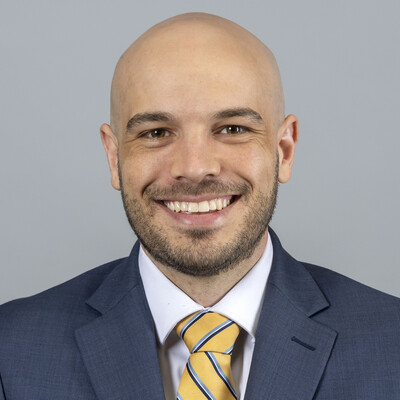
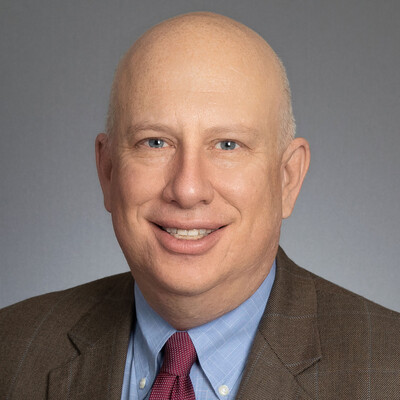
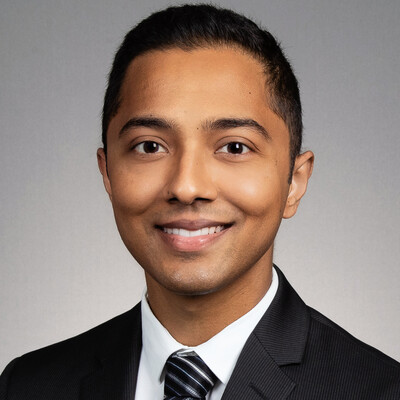
Dr. Agbahiwe previously served on faculty at the Johns Hopkins Department of Radiation Oncology and at Sibley Memorial Hospital in Washington, DC. IMAGE – From (Left to Right): Dr. Harold Agbahiwe, Dr. Felasfa Wodajo, Dr. Alex Spira and Dr. Gregory Sibley.
Sarcoma Clinical Coordinator
Our dedicated clinical/referral concierge, Cathie Passero RN, MSN, CCRN, guides patients through the steps of biopsy, radiation, surgery, and chemotherapy, while providing the necessary psycho-social support and education.
Treating the Musculoskeletal System
Tumors that develop in bones and soft tissues (musculoskeletal tumors) can be benign, malignant, or metastatic. Each of these conditions requires special knowledge and treatment techniques. Virginia Cancer Specialists has the expertise to diagnose and treat each of these tumor types, in adults and in children.
Benign Tumors
Sarcomas always require surgery, often in combination with other therapies such as radiation or chemotherapy. As they are malignant, they can spread to other parts of the body. Sarcomas are uncommon, accounting for less than 1% of all cancers. The infrequency of sarcomas means most doctors seldom see them, so they are often missed or misdiagnosed. The signs of musculoskeletal malignancy vary from person to person. Soft tissue sarcomas are not often painful, while bone sarcomas typically cause dull but persistent pain. Both can grow quickly and behave aggressively, so early detection and treatment is crucial. Many sarcomas can be cured with proper treatment. Positive results require an accurate diagnosis, a tailored treatment plan, and a highly-skilled multidisciplinary team of specialists.
Sarcomas (Bone and Muscle Cancers)
Sarcomas always require surgery, often in combination with other therapies such as radiation or chemotherapy. As they are malignant, they can spread to other parts of the body. Sarcomas are uncommon, accounting for less than 1% of all cancers. The infrequency of sarcomas means most doctors seldom see them, so they are often missed or misdiagnosed. The signs of musculoskeletal malignancy vary from person to person. Soft tissue sarcomas are not often painful, while bone sarcomas typically cause dull but persistent pain. Both can grow quickly and behave aggressively, so early detection and treatment is crucial. Many sarcomas can be cured with proper treatment. Positive results require an accurate diagnosis, a tailored treatment plan, and a highly-skilled multidisciplinary team of specialists.
Metastatic Tumors
Many patients with advanced lung, breast, renal, or prostate cancer will experience painful metastases to their skeleton at some point. Having access to a team with experience in complex reconstructive surgery around the hip, pelvis, and shoulder, as well as advanced radiation therapy techniques, can make the difference between good and poor outcomes for these patients.
Commonly Treated Musculoskeletal Conditions
Dr. Felasfa Wodajo regularly treats conditions that are rare for most physicians. Below are some commonly treated bone, muscle, and soft tissue disorders.
Bone Sarcoma
- Osteosarcoma
- Ewing’s sarcoma
- Chondrosarcoma
- Chordoma
Soft Tissue Sarcoma
- Liposarcoma
- Synovial sarcoma
- Malignant fibrous histiocytoma (Undifferentiated sarcoma)
- Spindle cell sarcoma
- Leiomyosarcoma
- Dermatofibrosarcoma protuberans (DFSP)
Benign Bone Tumors
- Enchondroma
- Non-ossifying fibroma
- Bone cyst
- Osteochondroma
- Giant cell tumor
- Osteoid osteoma
- Fibrous dysplasia
- Paget's disease
- Chondroblastoma
- Langerhans cell histiocytosis (LCH)
Benign Soft Tissue Tumors
- Lipoma
- Schwanomma
- Fibromatosis/Desmoid tumor
- Pigmented villonodular synovitis (PVNS)
- Myxoma
- Hemangioma/Vascular malformation
- Synovial chondromatosis
Metastatic Bone Cancers
Repair of fractures caused by breast, lung or kidney cancers and multiple myeloma
Pediatric Bone Tumors
Kids with bone tumors require special attention. Luckily most musculoskeletal tumors in children are benign. Many do not require treatment and can simply be observed by a trained specialist. Conversely, sarcomas (osteosarcoma, Ewing sarcoma, rhabdomyosarcoma) comprise a much larger portion of malignancies in children than in adults, therefore vigilance is critical. These malignancies require chemotherapy, and are managed by a team that includes pediatric oncology specialists.
Life After Treatment & Follow-Up
After treatment, ongoing follow-up is essential to:
- Monitor for recurrence
- Manage long-term side effects
- Support physical function and quality of life
Follow-up care often includes:
- Periodic imaging
- Rehabilitation or physical therapy
- Coordination with survivorship and support services
Physician Referral Guide
INDICATIONS FOR REFERRAL
- X-ray showing bone lucency
- Persistent, unexplained musculoskeletal pain and x-ray abnormality
- Enlarging mass in the extremities
Examples of Bone Tumors In Children
Simple (unicameral) bone cyst:
Benign, very common, mostly found around the shoulder and hip, recognized by sudden pain after minor fall.
Treatment: Immobilization until fracture has healed, then percutaneous bone grafting.
Non-ossifying fibroma:
Benign, very common, typically an incidental finding discovered on x-ray of knee or ankle for unrelated sports injury.
Treatment: Observation.
Osteosarcoma:
Most common bone sarcoma, presents with pain and destructive mineralizing lesion, most common around the knee.
Treatment: Chemotherapy and surgical resection, vast majority limb sparing, with reconstruction using tumor endoprosthesis (second image).
Adults and children with any of the following:
- Enlarging mass in the extremities
- X-ray showing bone lucency
- MRI reading with possible bone or soft tissue tumor
- Persistent, unexplained musculoskeletal pain and any x-ray abnormality
Patients with cancer and any of the following:
- Destructive bone metastases, especially near the hip
- Fracture
Please contact our dedicated clinical/referral concierge, Cathie Passero RN, MSN, CCRN, at our Fairfax Office who can assist your patient throughout the process, including gathering records, imaging studies, and pathology slides, if needed.
Cancer Treatment Options
Most treatment plans combine several of these approaches. Your Virginia Cancer Specialists care team builds a plan around your specific diagnosis — explore each option below, or browse all treatments & services.
Chemotherapy
Chemotherapy uses powerful medicines to destroy cancer cells or slow their growth, and it remains one of the most widely used and effective cancer treatments. It can be given on its own or alongside surgery, radiation, or other therapies.
- Given by IV infusion or as pills, in planned cycles with recovery time between
- Delivered in our offices by our medical oncology team, close to home
- Often used to shrink a tumor before surgery or lower the risk of recurrence after
Radiation Therapy
Radiation therapy uses precisely targeted, high-energy X-rays to destroy cancer cells while sparing nearby healthy tissue. Virginia Cancer Specialists offers advanced, state-of-the-art radiation for a wide range of cancers and select benign conditions.
- Painless outpatient treatments that usually take only minutes a day
- Planned and delivered with image guidance by our APEx-accredited radiation oncology team
- Can be the main treatment, or support surgery and chemotherapy
Surgery to Treat Cancer
Surgery is one of the oldest and most effective treatments for cancer. For many cancers, removing the tumor offers the best chance for a positive outcome, often combined with other therapies before or after the operation.
- Used to diagnose, stage, and treat cancer, and to relieve symptoms
- Minimally invasive and robotic-assisted techniques when appropriate
- Coordinated with your medical and radiation oncologists as one care plan
Immunotherapy
Immunotherapy helps your body’s own immune system recognize, target, and destroy cancer cells. Over the past decade it has transformed treatment for many types of cancer.
- Works with your immune system rather than attacking cells directly
- Usually given by IV infusion in our offices
- May be used alone or with chemotherapy, radiation, or targeted therapy
Targeted Therapy
Targeted therapy focuses on the specific genes, proteins, and other molecular features that help cancer cells grow and survive. By attacking what makes a cancer unique, it can be highly effective with fewer effects on healthy cells.
- Guided by biomarker and genomic testing of your cancer
- Taken as pills or given by infusion
- Often paired with chemotherapy, hormone therapy, or immunotherapy
Hormone Therapy
Hormone therapy treats cancers that use the body’s natural hormones to grow — most commonly breast and prostate cancers — by lowering hormone levels or blocking their effects.
- Usually pills or injections rather than infusions
- Can lower the risk of recurrence after surgery or radiation
- Managed by your medical oncology team, sometimes over months or years
Specialized Programs
CAR T-Cell Therapy Program — one of the most advanced treatments for certain blood cancers: your own immune cells, re-engineered to fight the disease.
Scalp Cooling — cold-cap therapy that can significantly reduce hair loss during many types of chemotherapy.
Clinical Trials & Research — access to tomorrow’s treatments today through the Virginia Cancer Specialists Research Institute.
Physicians
Find physicians and care teams who support this specialty area.








Locations
Find Virginia Cancer Specialists locations connected to patient care across the region.

Fairfax
Monday through Friday 8:30 a.m. to 5:00 p.m
571.350.8400
703.280.9596
8613 Route 29
Radiation Oncology Center
Monday through Friday 7:30 a.m. to 5:00 p.m.
703.934.4451
703.934.5533
8613 Route 29
The Supportive Cancer Care Team works in close partnership with each patient’s primary oncology team to ensure patients receive coordinated, comprehensive, seamless support that complements their current medical treatment. Patients have easy access to a team of compassionate experts – palliative care physicians, pain management specialists, social workers, nutritionists, nurse navigators, clinical coordinators, research coordinators, financial counselors, and many others who provide guidance, education, and emotional support every step of the way.
If you are interested in the supportive services offered by our Supportive Cancer Care program, including social work/counseling services, you may ask your physician or anyone on your care team for a referral.
Appointments can be facilitated through your oncologist or made by calling 571.350.8400*.
*Virginia Cancer Specialists patients undergoing radiation therapy who wish to also access Supportive Cancer Care must be under the care of a Virginia Cancer Specialists Medical Oncologist in order to receive supportive cancer care services.
Goals of Supportive Cancer Care
Virginia Cancer Specialists’ Supportive Cancer Care Program has 3 key goals:
Hallmarks of Our Supportive Cancer Care Program
While the primary goal is to improve quality of life for the patient and family throughout the treatment process, there are various ways in which this can be accomplished:
- Focusing on symptom management, including treating pain, insomnia, anxiety, respiratory and gastrointestinal problems
- Fostering open and honest communication
- Understanding the patient’s hopes and expectations
- Facing the realities of treatment and how it affects one’s life, including finances, employment, and more
- Providing support to caregivers and family
Patient Stories
Read patient stories and gain insight into their experiences, as well as the support they received from our dedicated care team.
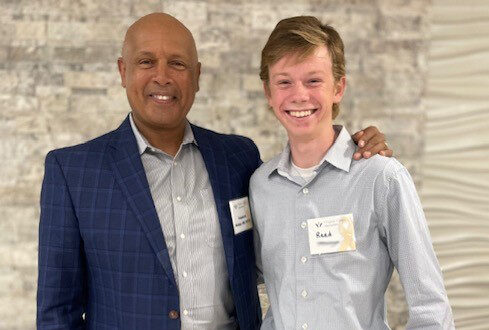

Diagnosis: Osteosarcoma
Physician: Felasfa M. Wodajo, MD
Newsroom
Read articles, updates, and resources from Virginia Cancer Specialists.
Provider Spotlight, Surgery
Ready to Make an Appointment?
If you have questions about whether this treatment or service may be right for you, make an appointment with the Virginia Cancer Specialists team.