
Gastrointestinal
Gastrointestinal cancers can affect the colon and rectum, liver, and pancreas. Use this page to review symptoms, risk factors, staging, and treatment options for each disease area.
Disease Information
Use the sections below to review diagnosis, staging, and treatment information for each condition in one place.
Colon/Rectal Cancer
Approximately 150,000 new cases of colorectal cancer are diagnosed in the US each year. However, increased early detection through screening and advancements in treatment have led to better outcomes for patients since the mid-2000s.
What are the risk factors for colorectal cancer?
- Age: Your risk of colorectal cancer goes up as you age, especially after the age of 45 for those of average risk.
- Family history: Having close relatives with colorectal cancer increases your risk level.
- Smoking: Long-term cigarette smoking can lead to many cancers, including colorectal.
- Alcohol: Excessive alcohol consumption can increase your risk.
- Weight: Those who are severely overweight have a higher risk of developing colorectal cancer.
- Abnormal bowel movements, including blood in stool.
Patients experiencing any of these symptoms should consult a physician.
How is colorectal cancer staged?
Once you are diagnosed with colorectal cancer, doctors begin a process called staging, which looks at the size of the tumor and if it has spread to other parts of the body, such as lymph nodes or organs. There are different types of staging. Clinical staging relies on a physical exam, biopsies, and imaging tests completed before surgery. Surgical staging examines tissue removed during an operation and tends to be more accurate than clinical staging. The stage of a cancer helps define how serious the disease is and what treatment options may provide the best results.
It also helps your doctor determine your prognosis and sets up the foundation for your treatment.
Stages are divided into five categories based on the extent of the cancer in the body. Stage 0 is the earliest stage of colon cancer. Stages then progress from I through IV, with stage IV being the most severe. Generally, the lower the number, the less advanced the cancer is and the less it has spread throughout the body.
Sometimes stages are also broken down further into substages designated by A, B, or C. An earlier letter indicates a lower stage. Additional staging subcategories are constantly being added as advancements are made in cancer research. Cancers with similar stages are likely to have a similar prognosis and treatment options.
STAGE 0
Abnormal cells are only found in the innermost layer of the colon wall. They may potentially
become cancerous and spread into nearby normal tissue. This stage is also called carcinoma in situ.
STAGE I
The tumor has only grown into the inner surface of the colon wall.
STAGE II
The tumor has penetrated through the muscle layer in the wall of the colon.
STAGE III
Cancer has spread through the innermost layer of the colon wall to nearby lymph nodes in the
abdomen around the colon.
STAGE IV
The cancer has spread through the blood and lymph nodes reaching other parts of the body,
such as the lung, liver, abdominal wall, or ovaries in females.
If you are unsure about the stage of your disease and what it means for your prognosis and treatment, be sure and ask your doctor to explain it so you can make informed decisions about your care.
How is colon/rectal cancer treated?
The type of treatment your doctor recommends for your colon cancer will depend on various factors, such as the stage of the disease and the tumor’s location in the colon. There are two types of cancer treatments, local and systemic. Both can be used for colon cancer, and some patients use a combination of these treatments.
Local Treatments
Local treatments target the tumor in a single location. They are most effective for early-stage small cancers that haven’t spread. Surgery and radiation are local treatments commonly used for colon cancer, both of which attempt to remove or destroy the cancer inside or near the colon.
Colon Cancer Surgery*
*(For patients who have been diagnosed with any type of cancer in the gastrointestinal tract, which can include esophageal, stomach, colorectal, anal, pancreatic, and liver cancers, your treatment team may include a colorectal surgeon. Colorectal surgeons specialize in surgical procedures of the colon, rectum, and anus. Virginia Cancer Specialists may refer patients to an outside colorectal surgeon.)
Surgery is usually the primary treatment for early-stage colon cancers. Some people have both surgery and chemotherapy. Some with advanced disease get biological therapy. A colostomy is seldom needed for people with colon cancer. Although radiation therapy is rarely used to treat colon cancer, sometimes it is used to relieve pain and other symptoms.
The type of surgery recommended depends on the stage or extent of the cancer and its location within the colon. Stage 0, some early stage I tumors, and most polyps can be removed during a colonoscopy, a procedure that uses a long flexible tube with a small video camera that’s inserted into the rectum and the colon. With this surgical approach, no incision is required into the abdomen from the outside. Your doctor will attempt to remove the tumor in one piece as part of the polyp. If small cancers are found on the inside lining of the colon, they can also be removed, along with some surrounding healthy tissue.
If your doctor thinks some cancer still remains, or if lab tests indicate the tumor may have spread, a more invasive type of surgery, a colectomy, might be recommended. This surgery removes part or all of the colon, as well as adjacent lymph nodes. During a partial colectomy, the cancerous part of the colon and a small segment of normal colon on either side are removed, and the remaining sections of healthy colon are reattached. Nearby lymph nodes are also removed so they can be tested for cancer. A total colectomy that takes out the entire colon isn’t typically required to remove colon cancer.
Rectal Cancer Surgeries*
For all stages of rectal cancer, surgery is the most common treatment. Some patients receive surgery, radiation therapy, and chemotherapy. Some with advanced disease get biological therapy. About 1 out of 8 people with rectal cancer needs a permanent colostomy. Radiation therapy may be used before and after surgery. Some people have radiation therapy before surgery to shrink the tumor, and some have it after surgery to kill cancer cells that may remain in the area. At some hospitals, patients may have radiation therapy during surgery. People also may have radiation therapy to relieve pain and other problems caused by the cancer.
Radiation Therapy for Colon Cancer
Radiation therapy uses high-energy particles or waves to destroy or shrink the cancer cells in a targeted area. It’s more often used to treat rectal cancer, but it may also be used for colon cancer. Radiation therapy is sometimes used in combination with chemotherapy. Using the two treatments together is called chemoradiation, and it is sometimes done before surgery to shrink a tumor so it’s easier to remove. If the cancer has attached to an internal organ or the lining of the abdomen, it may be difficult for the surgeon to determine if all of the cancer has been removed. Radiation therapy may be used to try and kill any cancer cells that may remain.
Systemic Treatments for Colon Cancer
Drugs taken by mouth or directly infused into the bloodstream may also be used to treat colon cancer. These are referred to as systemic treatments because they attack cancer cells throughout the body. Based on your tumor’s characteristics, different types of drugs may be used, including chemotherapy, targeted therapy drugs, and immunotherapy.
Chemotherapy for Colon Cancer
Chemotherapy uses drugs to keep cancer cells from growing and making more cells. It may be used at different times during your treatment:
- After surgery Called adjuvant chemotherapy, this type of chemotherapy is used to kill cancer cells remaining after surgery because they were too small for the surgeon to see, as well as cancer cells that traveled from the main colon cancer site to other parts of the body but are too small to be detected by imaging tests. Adjuvant chemotherapy reduces the chance the cancer will return.
- Before surgery Called neoadjuvant chemotherapy, this type of chemotherapy is sometimes given with radiation before surgery to shrink the cancer so it’s easier to remove. This is commonly done for rectal cancer.
- For advanced cancers When the cancer has spread to other organs, chemotherapy can help shrink tumors and ease uncomfortable symptoms. While it’s unlikely to cure the cancer, it may help people feel better and live longer.
Targeted Therapy for Colon Cancer
As more is learned about colon cancer, researchers are discovering the changes that happen in cells that cause colon cancer. This knowledge has enabled the development of new drugs that target and block specific genes or proteins that drive the cancer’s growth, while avoiding healthy cells.
Targeted therapy works differently than chemotherapy and may work when chemotherapy does not. It can be given with chemotherapy or by itself, if chemotherapy is no longer effective.
Before receiving targeted therapy, your physician will conduct tests to identify the genes, proteins, and other factors in your tumor. This information will allow your physician to identify and include the most effective targeted therapy in your treatment program, if appropriate. (See the biomarker testing section for more information.)
Immunotherapy for Colon Cancer
Immunotherapy, also called biologic therapy, uses medicines to help your immune system recognize and destroy cancer cells. It is sometimes used to treat advanced colorectal cancer. Checkpoint inhibitors are a type of immunotherapy. Checkpoints are proteins on immune cells that are turned on or off to trigger an immune response. Some colon cancer cells manipulate
these proteins to evade destruction. Checkpoint inhibitors can be used to target these proteins and help restore the immune response against the colon cancer cells.
To use checkpoint inhibitors, your colon cancer cells must have tested positive for specific gene changes.
Based on your tumor’s characteristics, different types of drugs may be used, including chemotherapy, targeted therapy drugs, and immunotherapy.
Biological Therapy
Some people with colorectal cancer that has spread receive a monoclonal antibody, a type of biological therapy. The monoclonal antibodies bind to colorectal cancer cells. They interfere with cancer cell growth and the spread of cancer. People receive monoclonal antibodies through a vein at the doctor’s office, hospital, or clinic. Some people receive chemotherapy at the same time.
Liver Cancer
What is liver cancer?
Liver cancer is the fifth most common type of cancer among men, and ninth most common type of cancer among women. Around 28,000 Americans are diagnosed with liver cancer every year.
What are the symptoms of liver cancer?
Liver cancer often does not cause symptoms in its early stages. When symptoms do occur, they may include the following. If you experience any of these symptoms, contact your physician:
- Unexplained weight loss
- Loss of appetite
- Feeling full after eating small amounts
- Nausea and/or vomiting
- Pain or discomfort in the upper right abdomen, or pain near the right shoulder blade
- Swelling or fluid buildup in the abdomen (ascites)
- An enlarged liver, felt as fullness under the ribs on the right side
- An enlarged spleen, felt as fullness under the ribs on the left side
- Yellowing of the skin and whites of the eyes (jaundice)
- Itching
- Fever
- Abnormal bruising or bleeding
- Visible enlarged veins on the abdomen
What are the risk factors for liver cancer?
Several factors increase the risk of developing liver cancer, including:
- Chronic hepatitis B or hepatitis C infection
- Cirrhosis (scarring of the liver from chronic damage)
- Heavy alcohol use
- Fatty liver disease, including nonalcoholic steatohepatitis (NASH)
- Diabetes
- Having a close relative with both hepatitis B and liver cancer
- Long-term exposure to aflatoxins (poison from a fungus that can grow on foods, such as grains and nuts, that have not been stored properly)
- Smoking
- Obesity
Having one or more risk factors does not mean a person will develop liver cancer, but it does increase risk and may warrant closer monitoring.
What causes liver cancer?
Liver cancer develops when genetic changes (mutations) occur in liver cells, causing them to grow uncontrollably. These mutations are often related to long-standing liver damage and inflammation, such as that caused by viral hepatitis, alcohol-related liver disease, or fatty liver disease.
Over time, repeated liver injury can lead to cirrhosis, which significantly increases the likelihood of cancer developing in the liver.
How is liver cancer staged?
Stage I
There is one tumor and it has not spread to nearby blood vessels.
Stage II
During this stage either:
- One tumor that has spread to nearby blood vessels; or
- More than one tumor, none of which is larger than 5 centimeters.
Stage III
Divided into stages IIIA, IIIB, and IIIC:
- Stage IIIA – one of the following is found: more than one tumor larger than 5 centimeters; or one tumor that has spread to a major branch of blood vessels near the liver.
- Stage IIIB – there are one or more tumors of any size that have either: spread to nearby organs other than the gallbladder; or broken through the lining of the peritoneal cavity.
- Stage IIIC – the cancer has spread to nearby lymph nodes.
Stage IV
Cancer has spread beyond the liver to other places in the body, such as the bones or lungs. The tumors may be of any size and may also have spread to nearby blood vessels and/or lymph nodes. When liver cancer spreads, the cancer cells may be found in the lungs. Cancer cells also may be found in the bones and in lymph nodes near the liver. When cancer spreads from its original place to another part of the body, the new tumor has the same kind of abnormal cells and the same name as the primary tumor. For example, if liver cancer spreads to the bones, the cancer cells in the bones are actually liver cancer cells. The disease is metastatic liver cancer, not bone cancer. It's treated as liver cancer, not bone cancer. Doctors sometimes call the new tumor 'distant' or metastatic disease.
To learn whether the liver cancer has spread, your doctor may order one or more of the following tests:
- CT scan of the chest : A CT scan often can show whether liver cancer has spread to the lungs.
- Bone scan : The doctor injects a small amount of a radioactive substance into your blood vessel. It travels through the bloodstream and collects in the bones. A machine called a scanner detects and measures the radiation. The scanner makes pictures of the bones. The pictures may show cancer that has spread to the bones.
- PET scan : You receive an injection of a small amount of radioactive sugar. The radioactive sugar gives off signals that the PET scanner picks up. The PET scanner makes a picture of the places in your body where the sugar is being taken up. Cancer cells show up brighter in the picture because they take up sugar faster than normal cells do. A PET scan shows whether liver cancer may have spread.
How is liver cancer treated?
Liver cancer treatment depends on the disease stage and your overall health. Many patients benefit from a multidisciplinary approach involving hepatology, oncology, surgery, and interventional radiology. Common treatments may include:
Surgery (removal of part of the liver)
As much as 80 percent of the liver may be removed. The surgeon leaves behind normal liver tissue. The remaining healthy tissue takes over the work of the liver. Also, the liver can regrow the missing part. The new cells grow over several weeks.
Liver transplant
A liver transplant is an option if the tumors are small, the disease has not spread outside the liver, and suitable donated liver tissue can be found. Donated liver tissue comes from a deceased person or a live donor. If the donor is living, the tissue is part of a liver, rather than a whole liver.
When healthy liver tissue from a donor is available, the transplant surgeon removes your entire liver (total hepatectomy) and replaces it with the donated tissue.
Ablation Therapies
Methods of ablation destroy the cancer in the liver. They may be used for people waiting for a liver transplant. Or they may be used for people who can’t have surgery or a liver transplant. Surgery to remove the tumor may not be possible because of cirrhosis or other conditions that cause poor liver function, the location of the tumor within the liver, or other health problems. Methods of ablation include the following:
- Radiofrequency ablation: The doctor uses a special probe that contains tiny electrodes to kill the cancer cells with heat.
- Percutaneous ethanol injection: The doctor uses ultrasound to guide a thin needle into the liver tumor. Alcohol (ethanol) is injected directly into the tumor and kills cancer cells. The procedure may be performed once or twice a week. Usually local anesthesia is used, but if you have many tumors in the liver, general anesthesia may be needed.
Embolization Therapies
For those who can’t have surgery or a liver transplant, embolization or chemoembolization may be an option. The doctor inserts a tiny catheter into an artery in your leg and moves the catheter into the hepatic artery. For embolization, the doctor injects tiny sponges or other particles into the catheter. The particles block the flow of blood through the artery. Depending on the type of particles used, the blockage may be temporary or permanent. Without blood flow from the hepatic artery, the tumor dies. Although the hepatic artery is blocked, healthy liver tissue continues to receive blood from the hepatic portal vein. For chemoembolization, the doctor injects an anticancer drug (chemotherapy) into the artery before injecting the tiny particles that block blood flow. Without blood flow, the drug stays in the liver longer.
Radiation therapy
Radiation therapy uses high-energy rays or particles to destroy cancer cells. While the liver may be sensitive to radiation damage, depending on the stage and overall health of the patient, radiation therapy may be considered:
- When surgery is not possible
- When ablation is not possible
- To relieve liver cancer symptoms
Targeted therapies
Typically used for advanced liver cancer, targeted therapy uses drugs that are designed to act on specific proteins or pathways involved in liver cancer growth. These drugs are and are taken by mouth or given by IV.
Targeted therapies may help slow cancer growth and are often used when surgery is not an option.
Immunotherapy
Immunotherapy helps the body’s immune system recognize and attack cancer cells. Immunotherapy may be an option for if the cancer would not benefit from surgery or the disease has worsened or spread.
Pancreatic Cancer
What is pancreatic cancer?
There are two main types of pancreatic cancer. Most often, pancreatic cancer starts in the ducts that carry pancreatic juices. This type is called exocrine pancreatic cancer. Information will focus on this type of pancreatic cancer. Much less often, pancreatic cancer begins in the cells that make hormones. This type may be called endocrine pancreatic cancer or islet cell cancer.
Each year in the United States, more than 43,000 people are diagnosed with cancer of the pancreas. Most are over 65 years old.
What are the symptoms of pancreatic cancer?
Pancreatic cancer often does not cause symptoms in its early stages, which is why it is frequently diagnosed later when the disease is more advanced and severe. When symptoms do occur, they may include:
- Jaundice (yellowing of the skin and eyes)
- Dark urine
- Light-colored stools
- Itchy skin
- Pain in the upper abdomen or middle of the back
- Unintended weight loss
- Loss of appetite
- Nausea
- Fatigue
- New or worsening diabetes, especially in adults without a prior history
Symptoms can vary depending on the tumor’s size and location within the pancreas. Many of these symptoms can be caused by conditions other than cancer, but persistent or unexplained symptoms should be evaluated by your doctor.
What are the risk factors for pancreatic cancer?
Some of the risk factors for pancreatic cancer can be changed and managed, and others cannot.
Risk factors for pancreatic cancer you can control:
- Smoking (one of the most important risk factors)
- Excess body weight or obesity
- Chronic pancreatitis (long-term inflammation of the pancreas)
- Type 2 diabetes
- Heavy alcohol use (often related to chronic pancreatitis)
- Workplace exposure to certain chemicals
Risk factors for pancreatic cancer you cannot control:
- Increasing age
- Family history of pancreatic cancer
- Certain inherited genetic conditions
- Male sex
- African American race (slightly higher risk)
How is pancreatic cancer treated?
Treatment for pancreatic cancer depends on the disease stage and your overall health. Common treatments may include:
Surgery for pancreatic cancer
- Surgery offers the best chance for long-term survival when the cancer is found early and can be completely removed.
- Unfortunately, many pancreatic cancers cannot be removed at the time of diagnosis.
Chemotherapy
- Chemotherapy uses drugs to kill cancer cells or stop them from growing.
- It may be used before surgery, after surgery, or as the main treatment for advanced disease.
Radiation therapy
Radiation therapy uses high-energy rays or particles to destroy cancer cells. Depending on the stage and overall health of the patient, for pancreatic cancer, radiation therapy may be used:
- With chemotherapy (chemoradiation) to control tumor growth
- Before surgery (neoadjuvant radiation) to shrink a tumor in certain cases
- After surgery (adjuvant radiation) in select patients
- To help relieve symptoms such as pain or blockages
The most common type of radiation therapy used for pancreatic cancer is external beam radiation therapy.
Targeted therapies
Targeted therapy uses drugs that are designed to act on specific genetic or molecular changes in pancreatic cancer cells that help them grow and survive. Unlike chemotherapy, these treatments focus on particular cancer-related targets and may have different side effects. The tumor must have specific genetic changes seen via tumor testing to benefit from targeted therapy.
Immunotherapy
Immunotherapy helps the body’s immune system recognize and attack cancer cells. Pancreatic cancer has been challenging to treat with immunotherapy, but may be an option for a small subset of patients whose tumors have certain genetic features.
Cancer Treatment Options
Most treatment plans combine several of these approaches. Your Virginia Cancer Specialists care team builds a plan around your specific diagnosis — explore each option below, or browse all treatments & services.
Chemotherapy
Chemotherapy uses powerful medicines to destroy cancer cells or slow their growth, and it remains one of the most widely used and effective cancer treatments. It can be given on its own or alongside surgery, radiation, or other therapies.
- Given by IV infusion or as pills, in planned cycles with recovery time between
- Delivered in our offices by our medical oncology team, close to home
- Often used to shrink a tumor before surgery or lower the risk of recurrence after
Radiation Therapy
Radiation therapy uses precisely targeted, high-energy X-rays to destroy cancer cells while sparing nearby healthy tissue. Virginia Cancer Specialists offers advanced, state-of-the-art radiation for a wide range of cancers and select benign conditions.
- Painless outpatient treatments that usually take only minutes a day
- Planned and delivered with image guidance by our APEx-accredited radiation oncology team
- Can be the main treatment, or support surgery and chemotherapy
Surgery to Treat Cancer
Surgery is one of the oldest and most effective treatments for cancer. For many cancers, removing the tumor offers the best chance for a positive outcome, often combined with other therapies before or after the operation.
- Used to diagnose, stage, and treat cancer, and to relieve symptoms
- Minimally invasive and robotic-assisted techniques when appropriate
- Coordinated with your medical and radiation oncologists as one care plan
Immunotherapy
Immunotherapy helps your body’s own immune system recognize, target, and destroy cancer cells. Over the past decade it has transformed treatment for many types of cancer.
- Works with your immune system rather than attacking cells directly
- Usually given by IV infusion in our offices
- May be used alone or with chemotherapy, radiation, or targeted therapy
Targeted Therapy
Targeted therapy focuses on the specific genes, proteins, and other molecular features that help cancer cells grow and survive. By attacking what makes a cancer unique, it can be highly effective with fewer effects on healthy cells.
- Guided by biomarker and genomic testing of your cancer
- Taken as pills or given by infusion
- Often paired with chemotherapy, hormone therapy, or immunotherapy
Hormone Therapy
Hormone therapy treats cancers that use the body’s natural hormones to grow — most commonly breast and prostate cancers — by lowering hormone levels or blocking their effects.
- Usually pills or injections rather than infusions
- Can lower the risk of recurrence after surgery or radiation
- Managed by your medical oncology team, sometimes over months or years
Specialized Programs
CAR T-Cell Therapy Program — one of the most advanced treatments for certain blood cancers: your own immune cells, re-engineered to fight the disease.
Scalp Cooling — cold-cap therapy that can significantly reduce hair loss during many types of chemotherapy.
Clinical Trials & Research — access to tomorrow’s treatments today through the Virginia Cancer Specialists Research Institute.
Physicians
Find physicians and care teams who support this specialty area.


















Locations
Find Virginia Cancer Specialists locations connected to patient care across the region.

Alexandria
Monday through Friday 8:30a.m. to 4:30p.m.
571.350.8400
703.823.5723
4660 Kenmore Ave., Suite 1018

Arlington
Monday through Friday 8:30 a.m. to 5:00 p.m.
571.350.8400
703.528.0338
1100 N. Glebe Rd., Suite 1600, 3 Ballston Plaza

Bristow
Monday through Friday 8:30 a.m. to 5:00 p.m.
571.350.8400
571.222.2202
9450 Innovation Drive

Fairfax
Monday through Friday 8:30 a.m. to 5:00 p.m
571.350.8400
703.280.9596
8613 Route 29
The Supportive Cancer Care Team works in close partnership with each patient’s primary oncology team to ensure patients receive coordinated, comprehensive, seamless support that complements their current medical treatment. Patients have easy access to a team of compassionate experts – palliative care physicians, pain management specialists, social workers, nutritionists, nurse navigators, clinical coordinators, research coordinators, financial counselors, and many others who provide guidance, education, and emotional support every step of the way.
If you are interested in the supportive services offered by our Supportive Cancer Care program, including social work/counseling services, you may ask your physician or anyone on your care team for a referral.
Appointments can be facilitated through your oncologist or made by calling 571.350.8400*.
*Virginia Cancer Specialists patients undergoing radiation therapy who wish to also access Supportive Cancer Care must be under the care of a Virginia Cancer Specialists Medical Oncologist in order to receive supportive cancer care services.
Goals of Supportive Cancer Care
Virginia Cancer Specialists’ Supportive Cancer Care Program has 3 key goals:
Hallmarks of Our Supportive Cancer Care Program
While the primary goal is to improve quality of life for the patient and family throughout the treatment process, there are various ways in which this can be accomplished:
- Focusing on symptom management, including treating pain, insomnia, anxiety, respiratory and gastrointestinal problems
- Fostering open and honest communication
- Understanding the patient’s hopes and expectations
- Facing the realities of treatment and how it affects one’s life, including finances, employment, and more
- Providing support to caregivers and family
Patient Stories
Read patient stories and gain insight into their experiences, as well as the support they received from our dedicated care team.


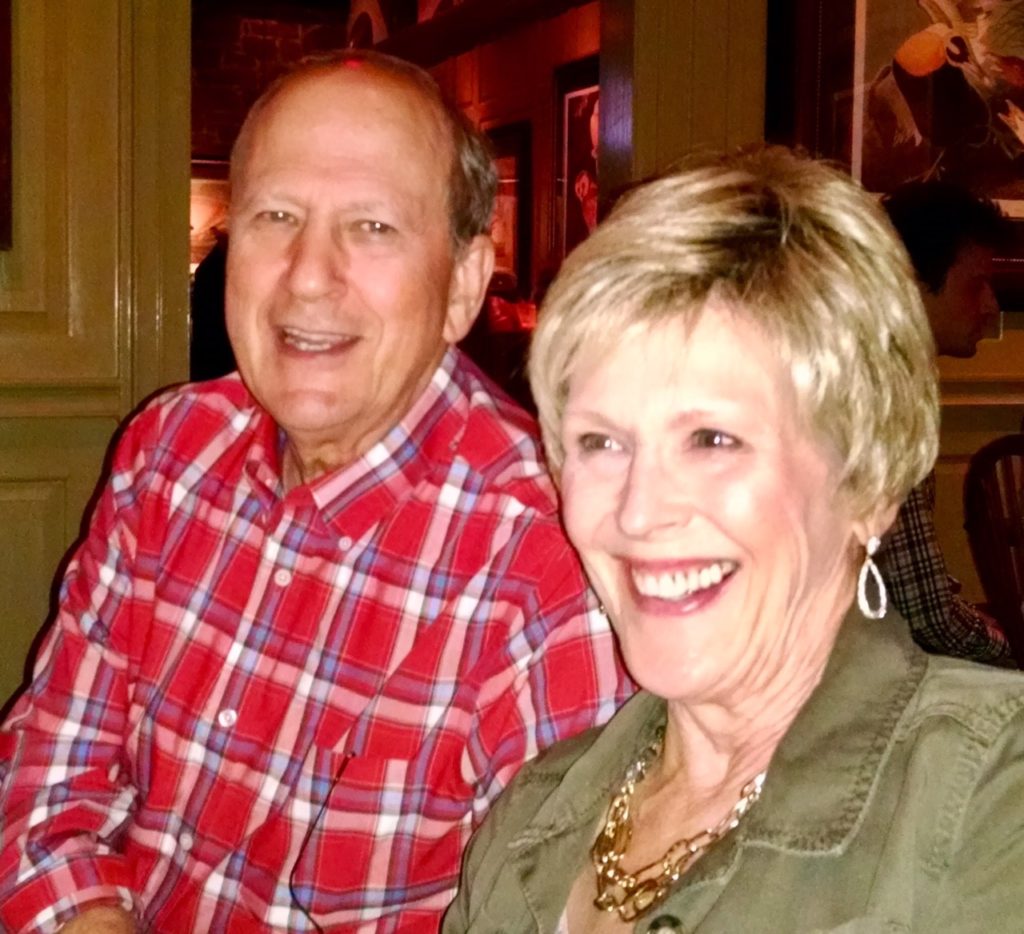
Diagnosis: Liver Cancer
Physician: Gregory S. Sibley, MD
Newsroom
Read articles, updates, and resources from Virginia Cancer Specialists.
Clinical Trials, Research & Publications, Targeted Therapy, Treatment Options
Awards & Recognition, Practice News, Treatment Options
Events & Community, Provider Spotlight
Clinical Trials, Radiation Oncology, Radiopharmaceuticals
Clinical Trials, Radiation Oncology, Surgery, Treatment Options
Ready to Make an Appointment?
If you have questions about whether this treatment or service may be right for you, make an appointment with the Virginia Cancer Specialists team.